CURRICULAR SUMMARY

Roberto Rébora
(11 de marzo de 1963; Guadalajara, Jalisco, México)

Con una trayectoria de más de treinta años, se ha distinguido por la fuerza de sus pinceladas y por su economía de medios, basada en el conocimiento técnico y el refinamiento de la materia pictórica. Sus series pictóricas más recientes son Media Star (2013-2018), Flujo Mundo (2018 hasta la fecha), Tipografías (2020) y Suite Tours (Francia; 2021).

Su obra forma parte de colecciones tanto privadas como públicas. Entre las instituciones mexicanas que poseen piezas suyas se encuentran el Museo Rufino Tamayo de Arte Contemporáneo (Ciudad de México), el Museo de Arte Carrillo Gil (Ciudad de México), el Museo de Arte Contemporáneo de Monterrey (Monterrey), El Colegio Nacional (Ciudad de México), el Museo de las Artes de la Universidad de Guadalajara (Guadalajara), el Museo de Arte Contemporáneo de Oaxaca (Oaxaca), el Museo Amparo (Puebla), el Museo Arocena (Torreón) y el Museo Claudio. Jiménez Vizcarra (Guadalajara). Asimismo, las colecciones institucionales mexicanas Pago en Especie de la Secretaría de Hacienda y Crédito Público, BBVA-Bancomer de la Fundación Cultural Bancomer y Siglo XXI de la Secretaría de Relaciones Exteriores.


Rébora ha publicado folletos y monografías, entre ellas Si existieras, señor Mecenas (Si existiera, señor patrón; México, Cuarto Menguante, 1982), Inmaterial (Immaterial; México, Taller Ditoria, 2011) y Materia y discurso de fe / Matter and Discourse of Faith (México, Turner-Páramo, 2016).

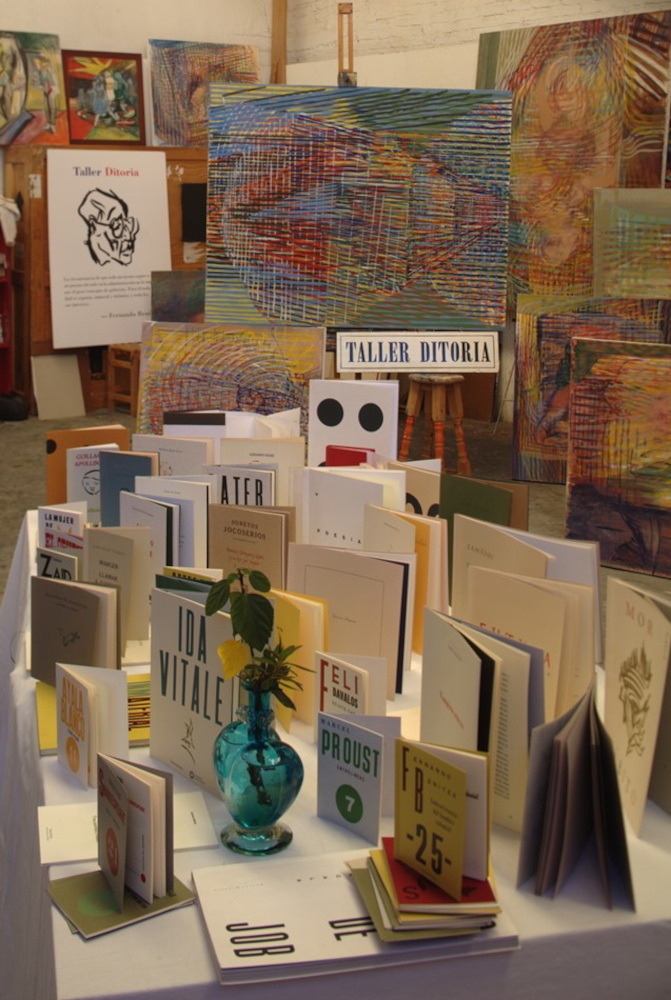
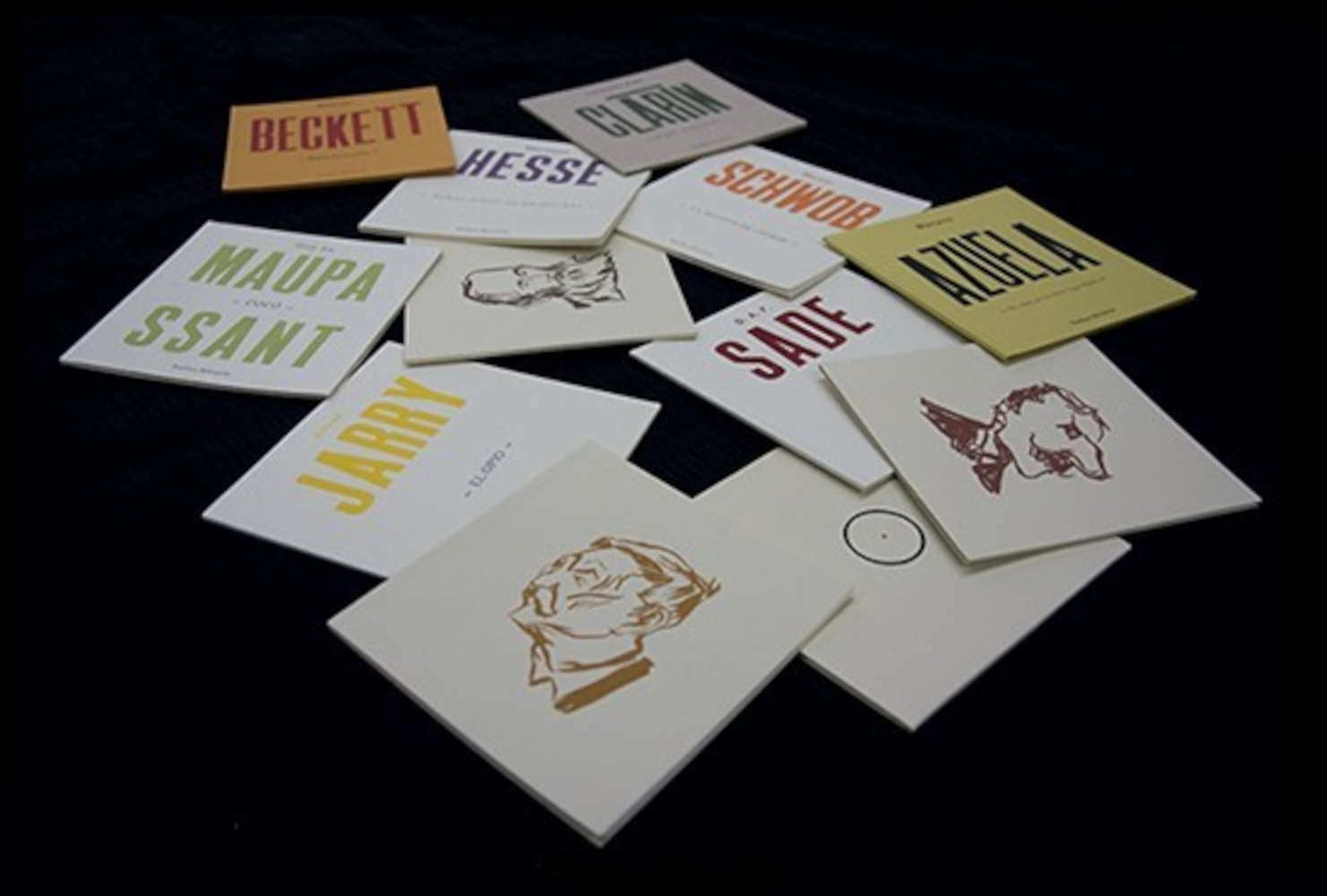
En 1995 fundó Taller Ditoria, que publica obras literarias en ediciones tipográficas y de imprenta.

Actualmente es beneficiario de la emisión 2025-2028 del Fondo Nacional para la Cultura y las Artes del Sistema Nacional de Creadores de Arte en su país (Fonca-SNCA). Desde 2021 divide su tiempo entre Tours (Francia), Guadalajara (Jalisco) y Ciudad de México.
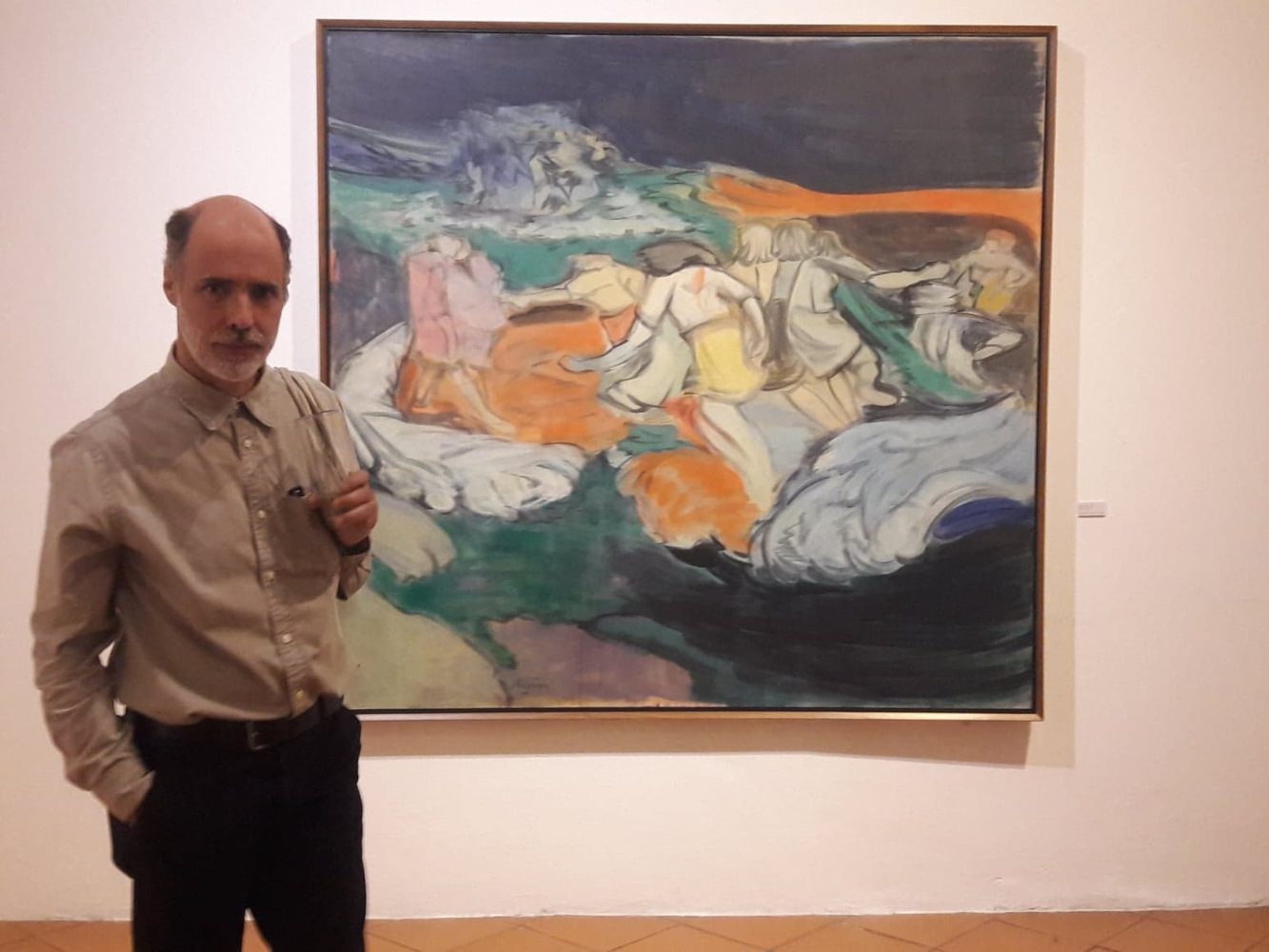
Two satisfying experiences

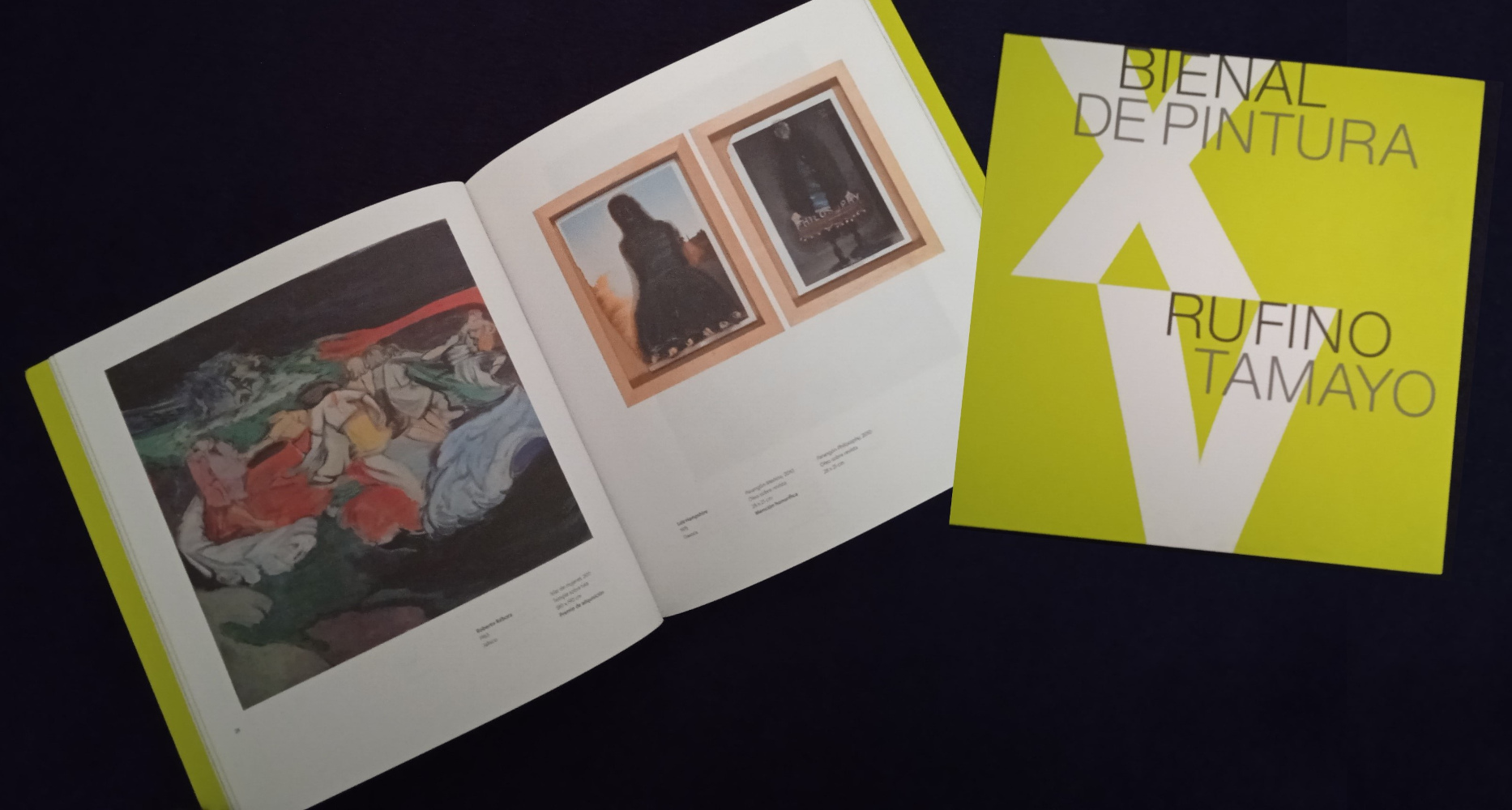
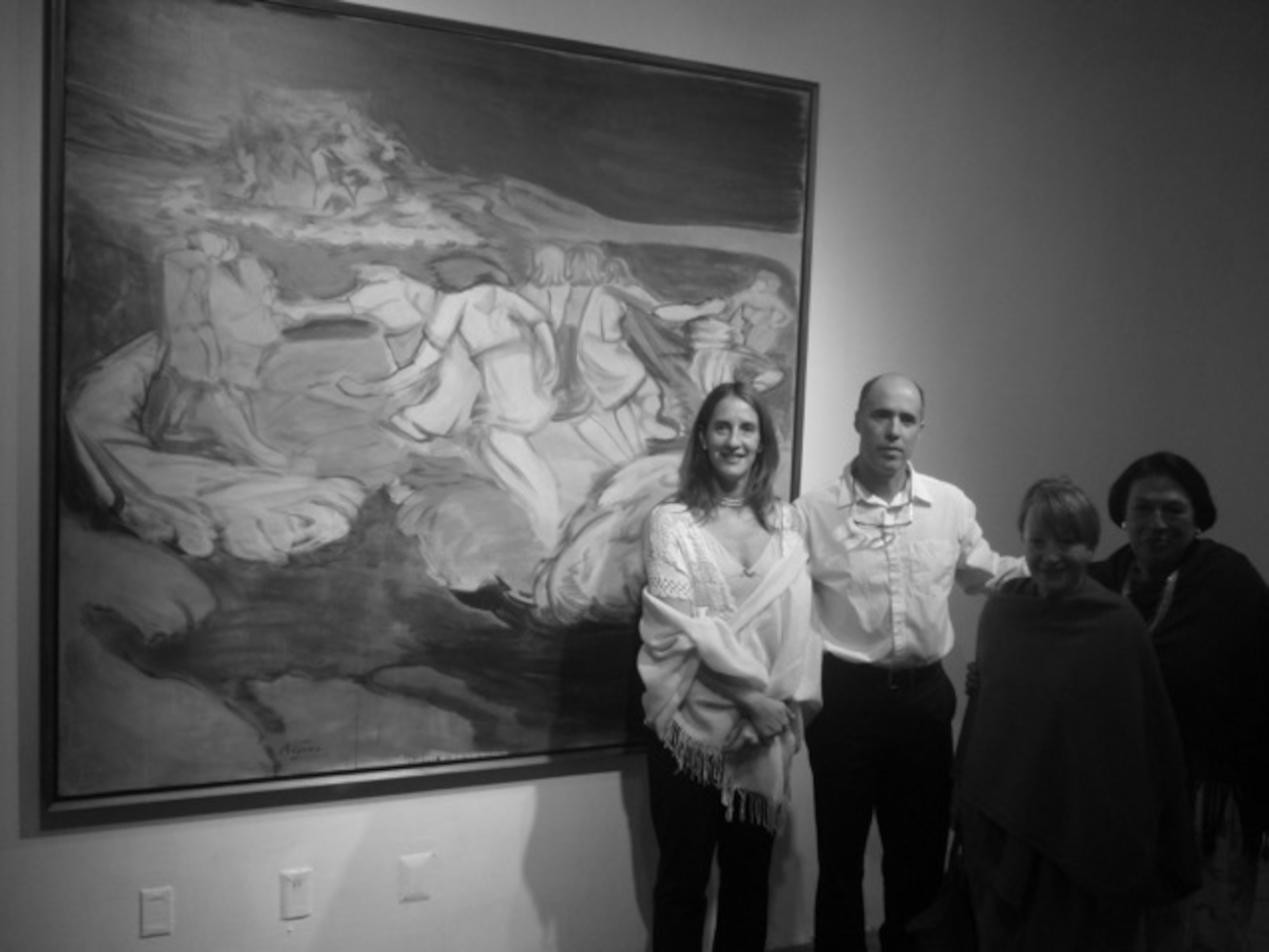
XVth Rufino Tamayo Painting Biennial 2011

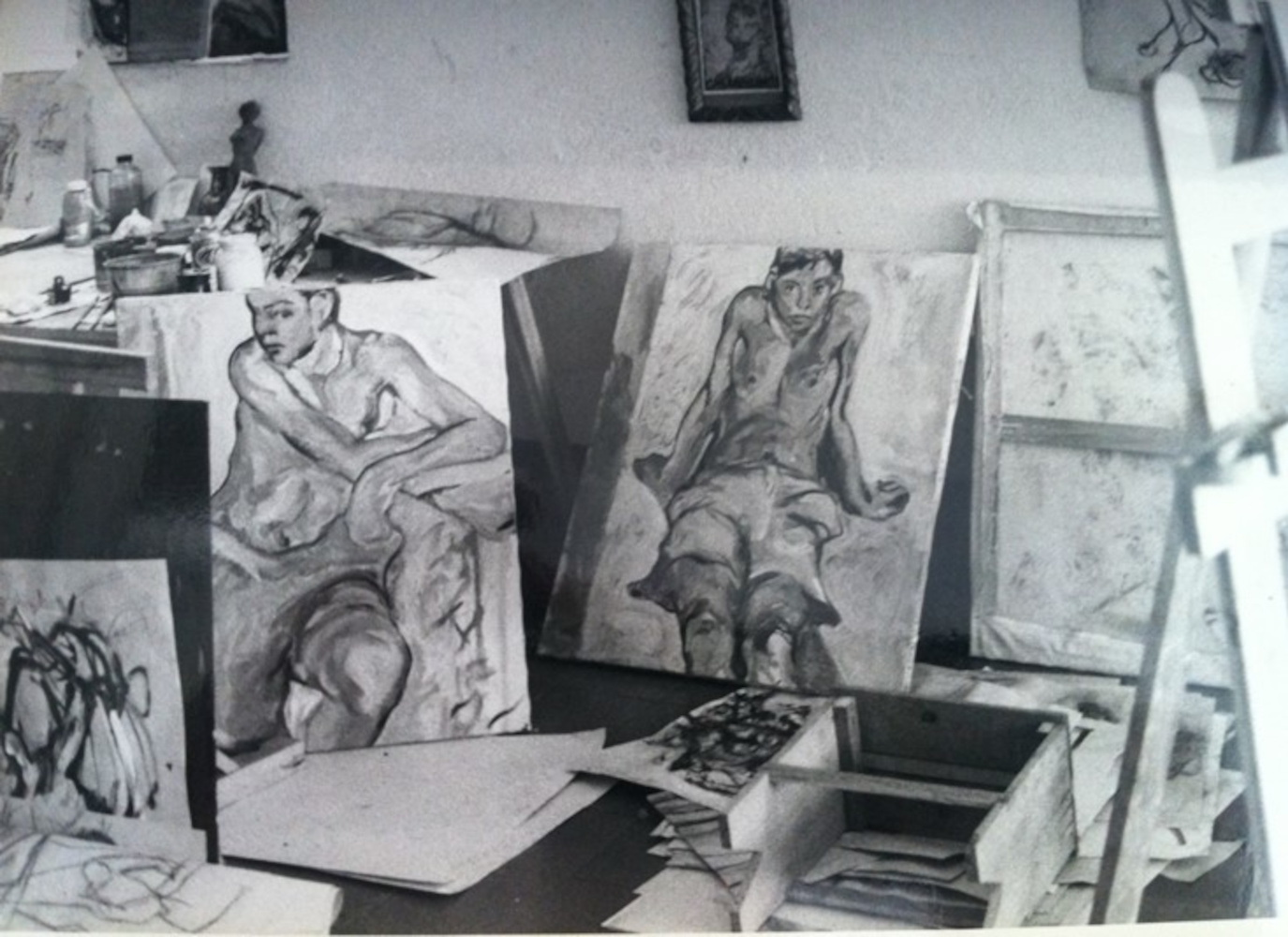
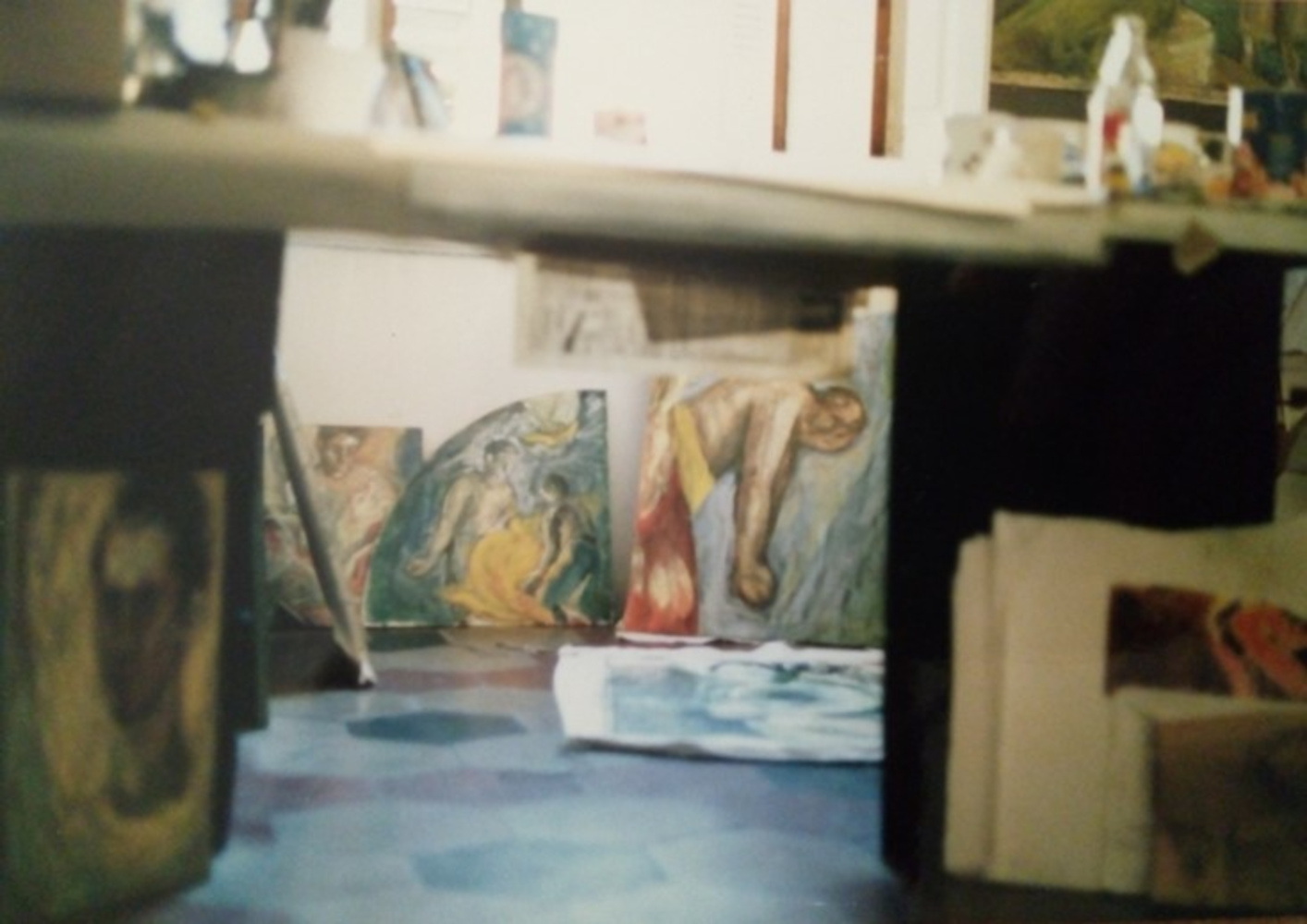
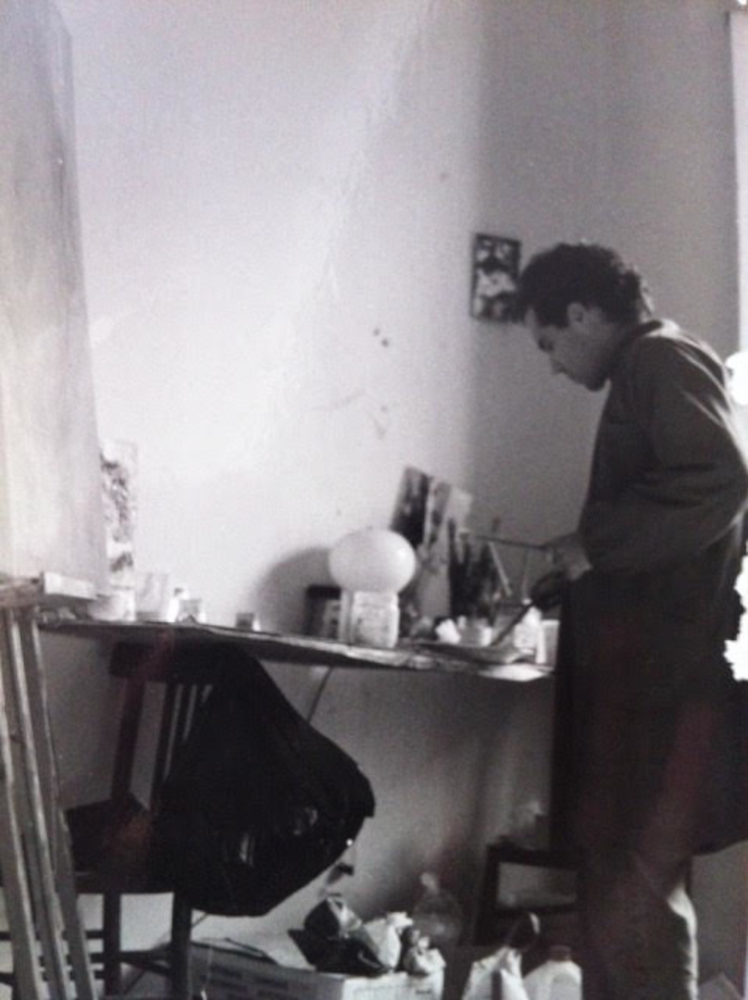
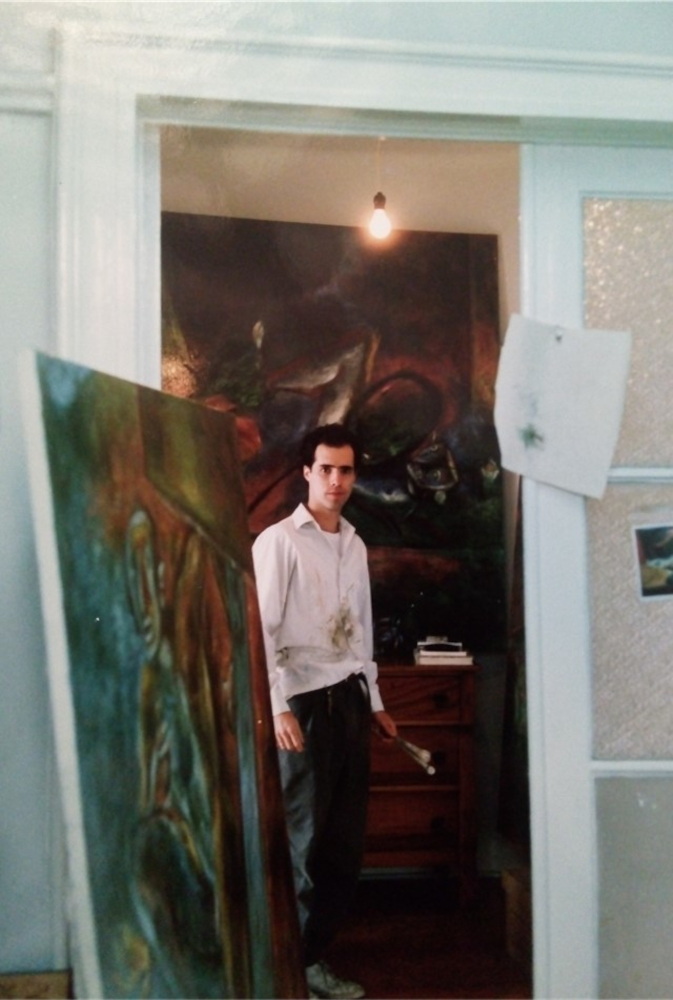
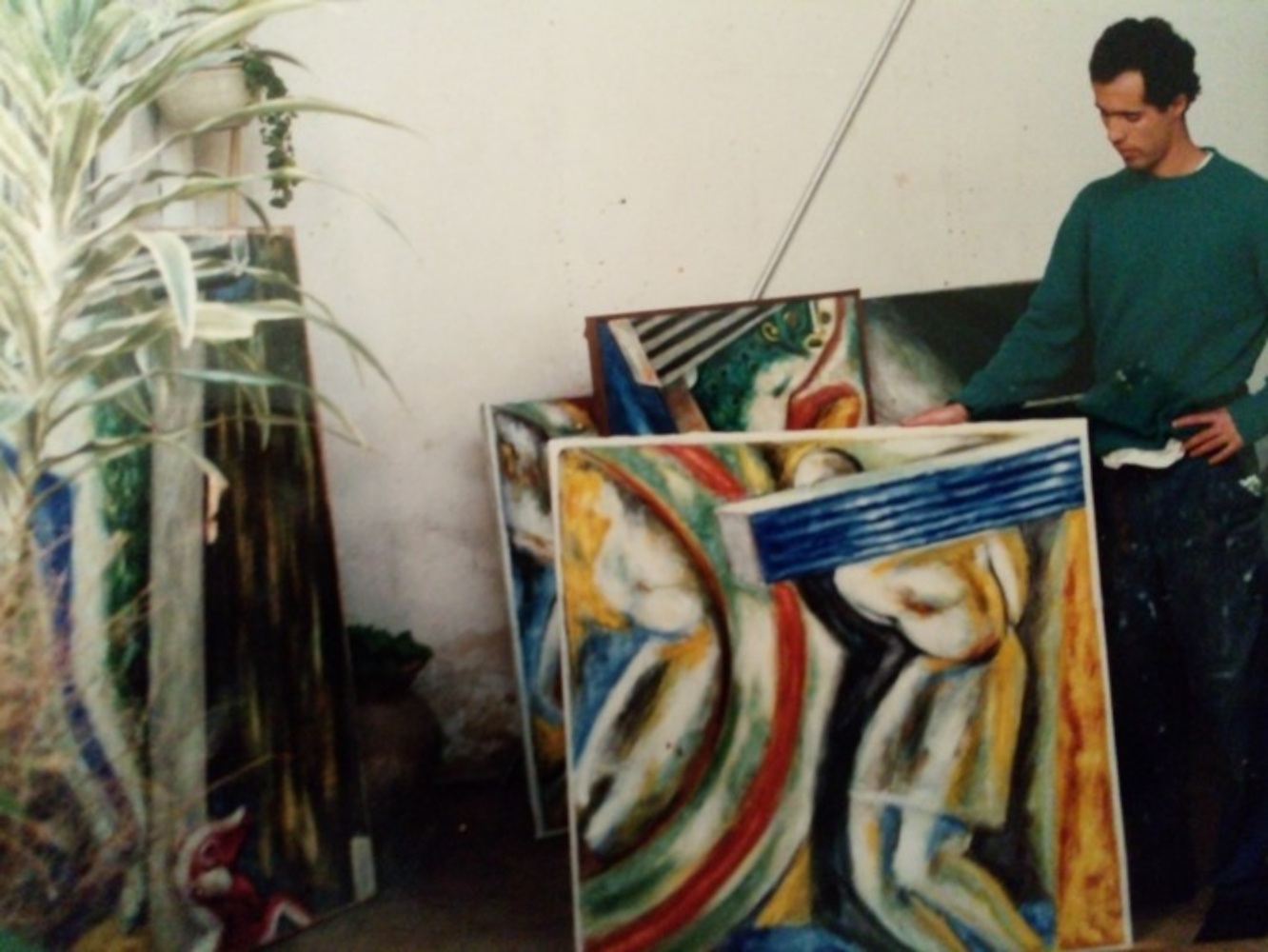
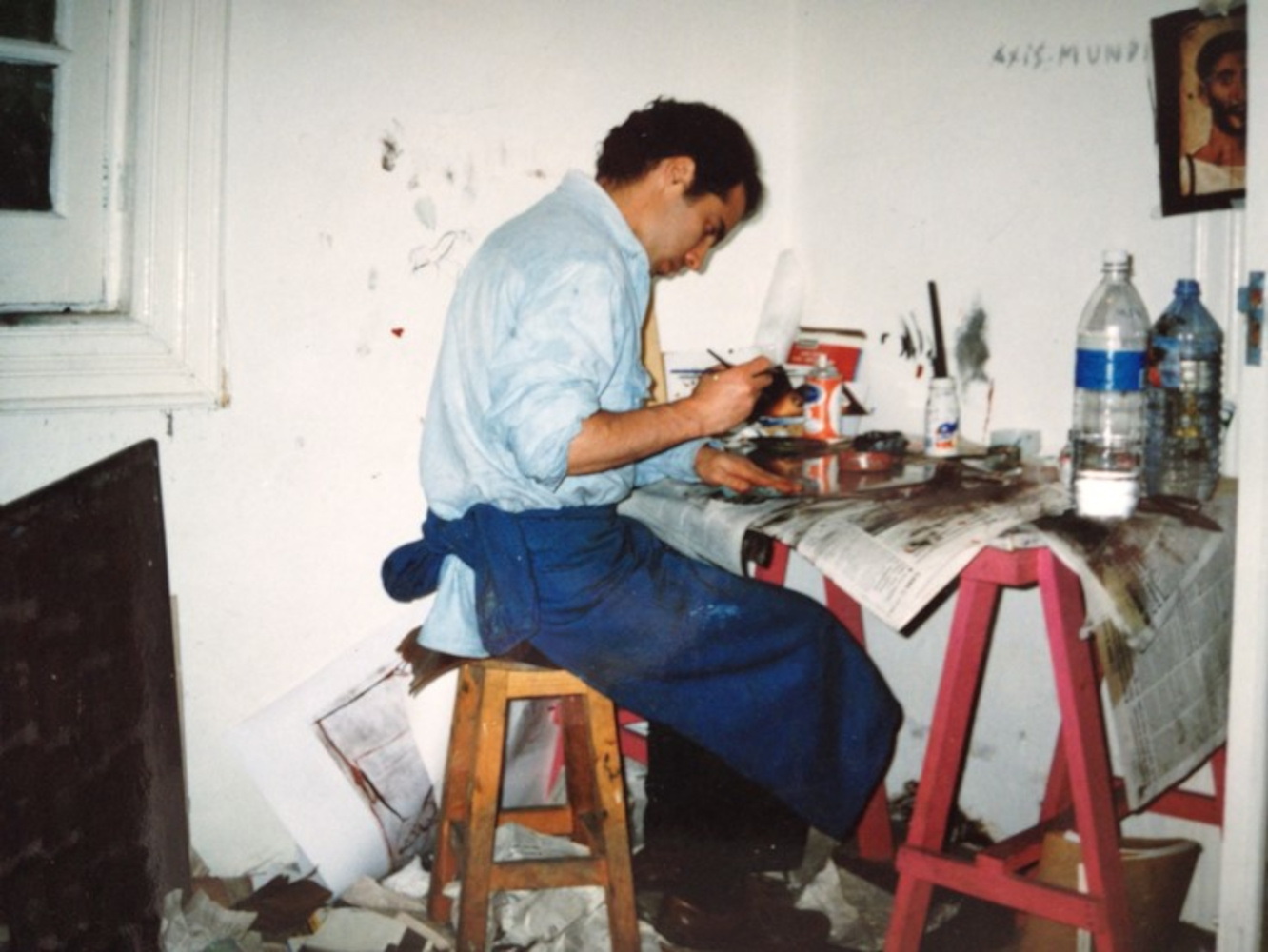
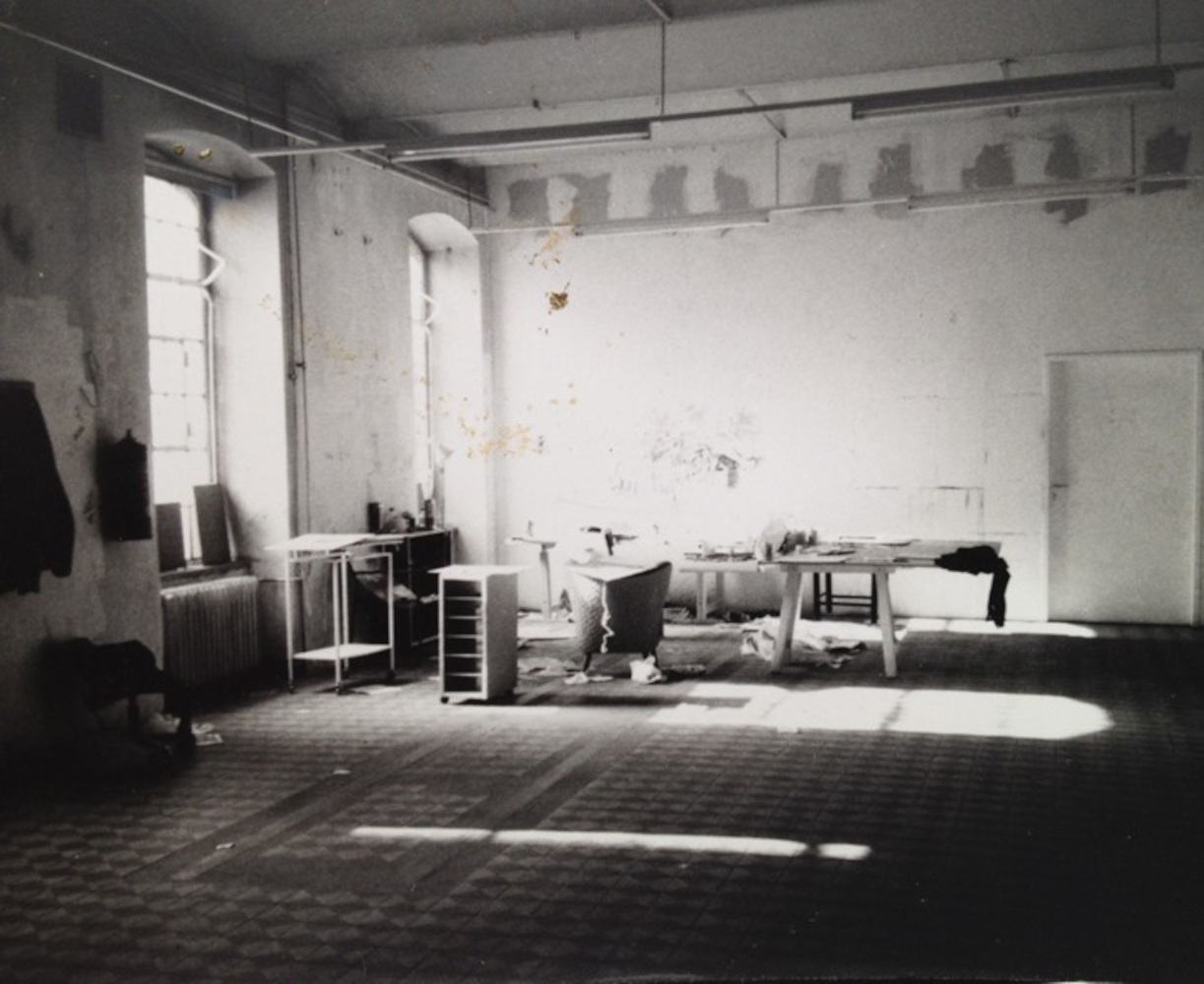
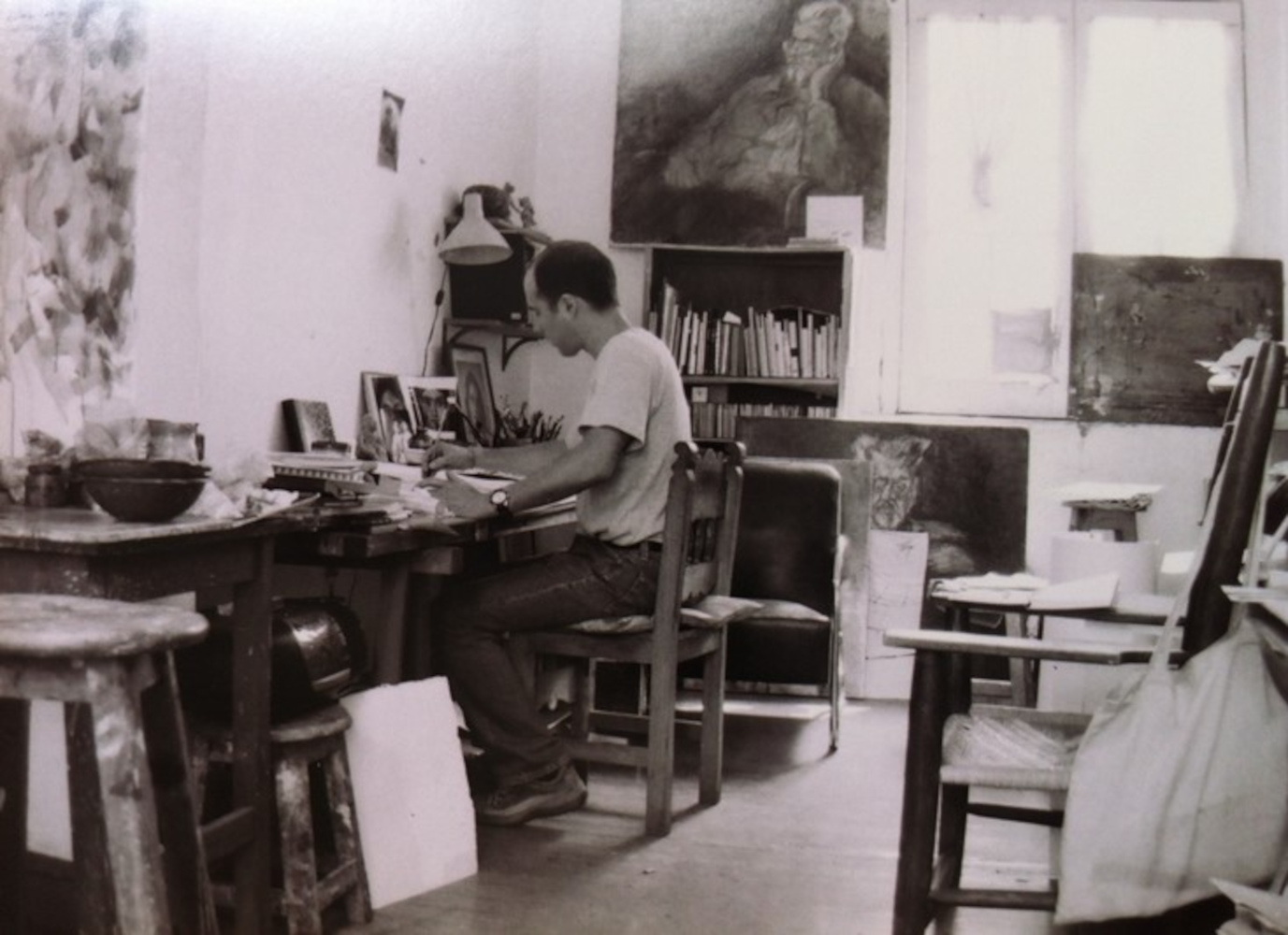
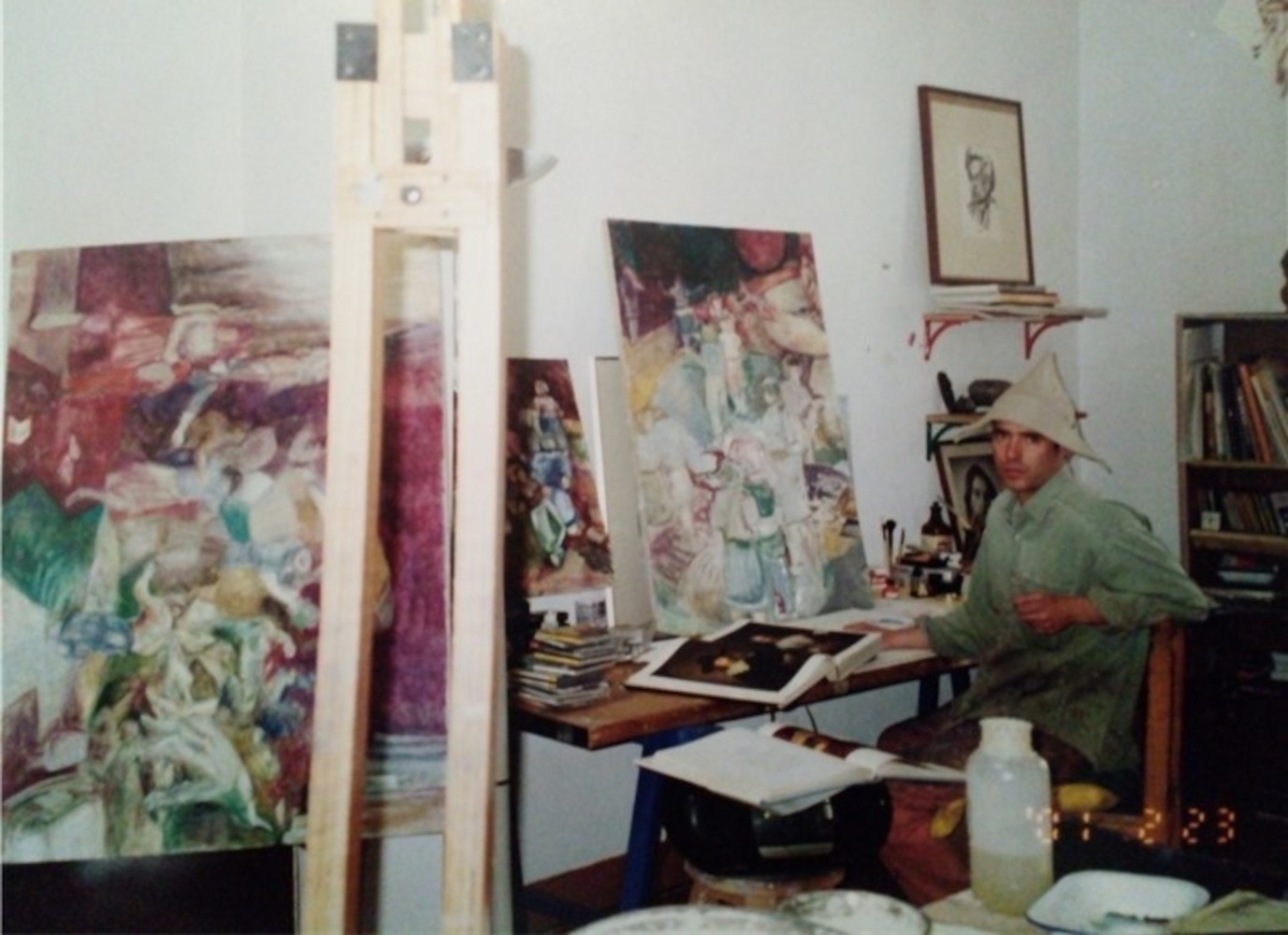
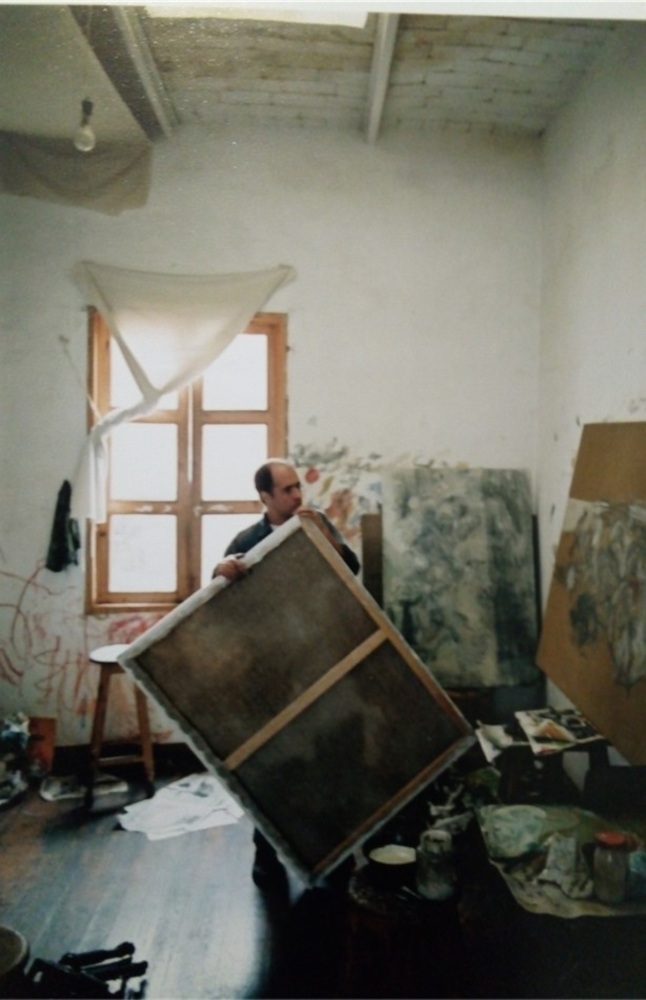
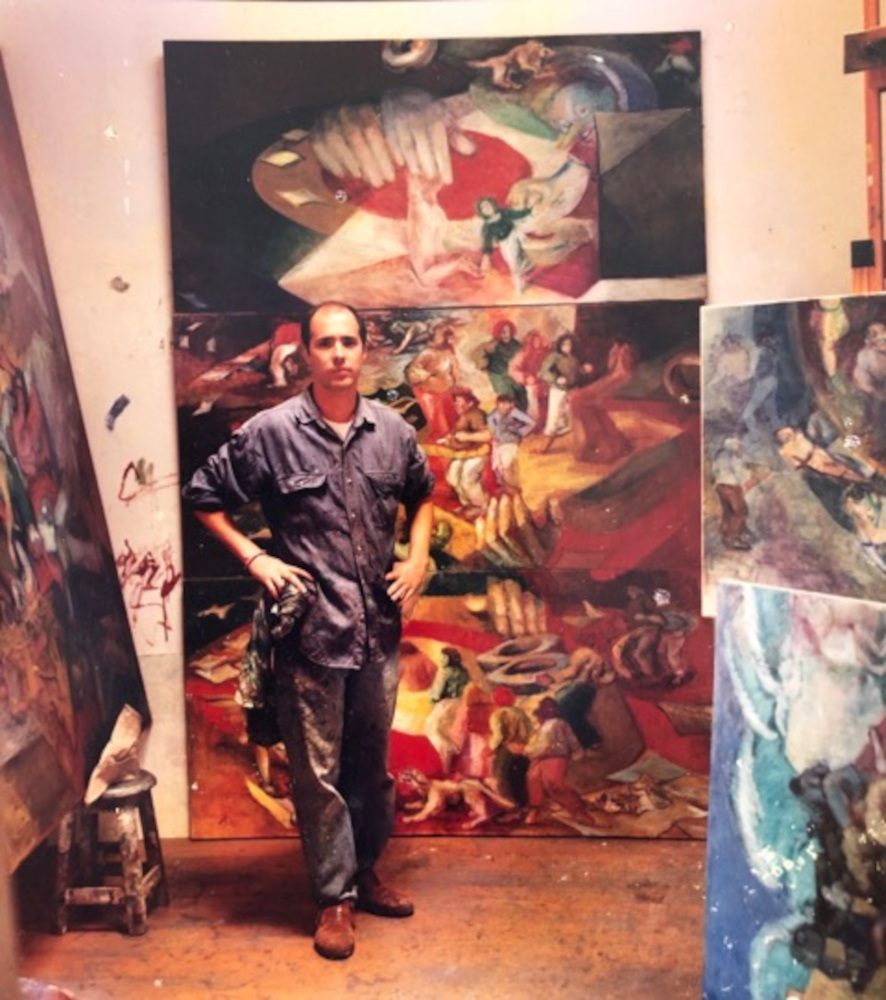
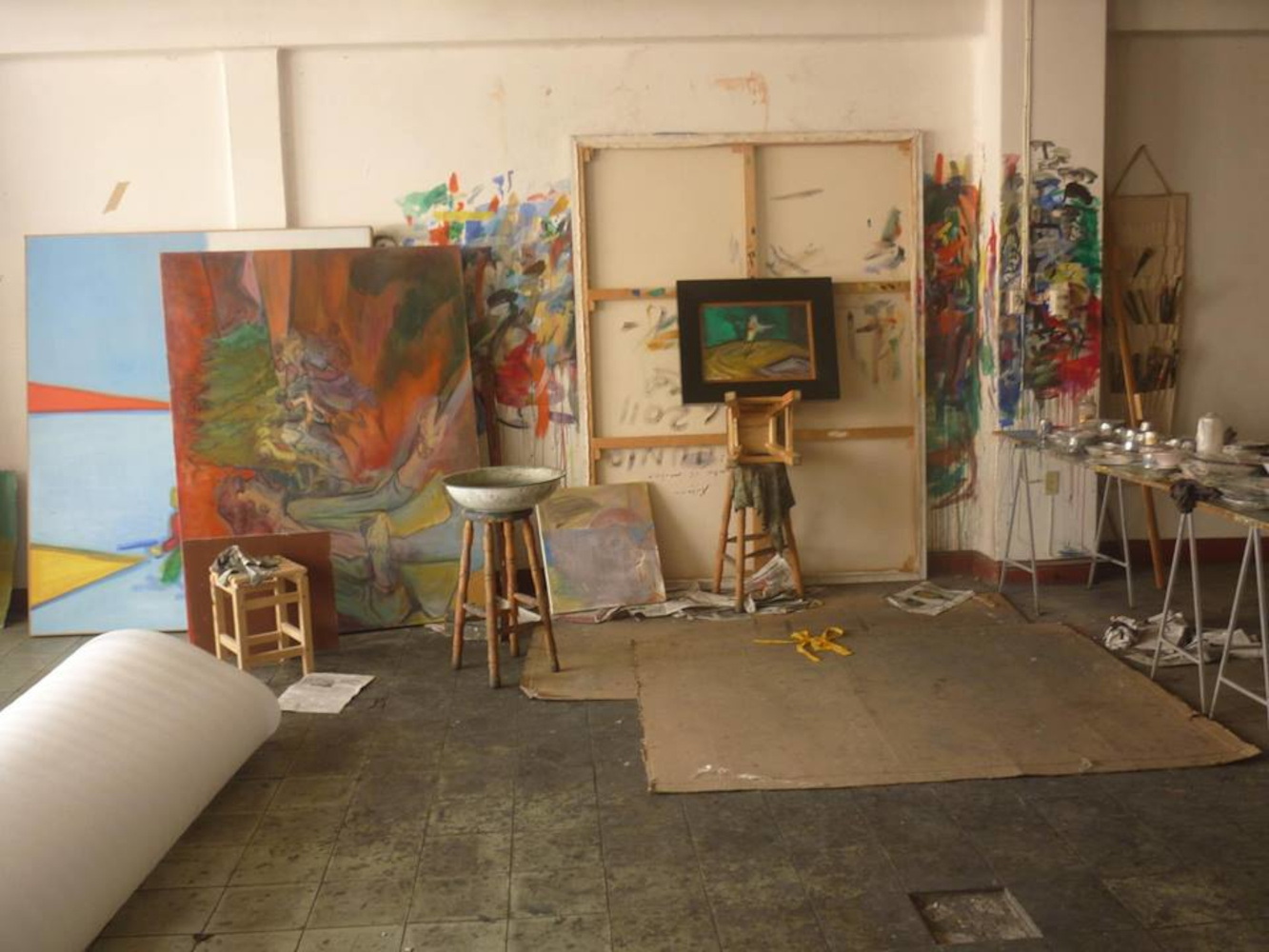
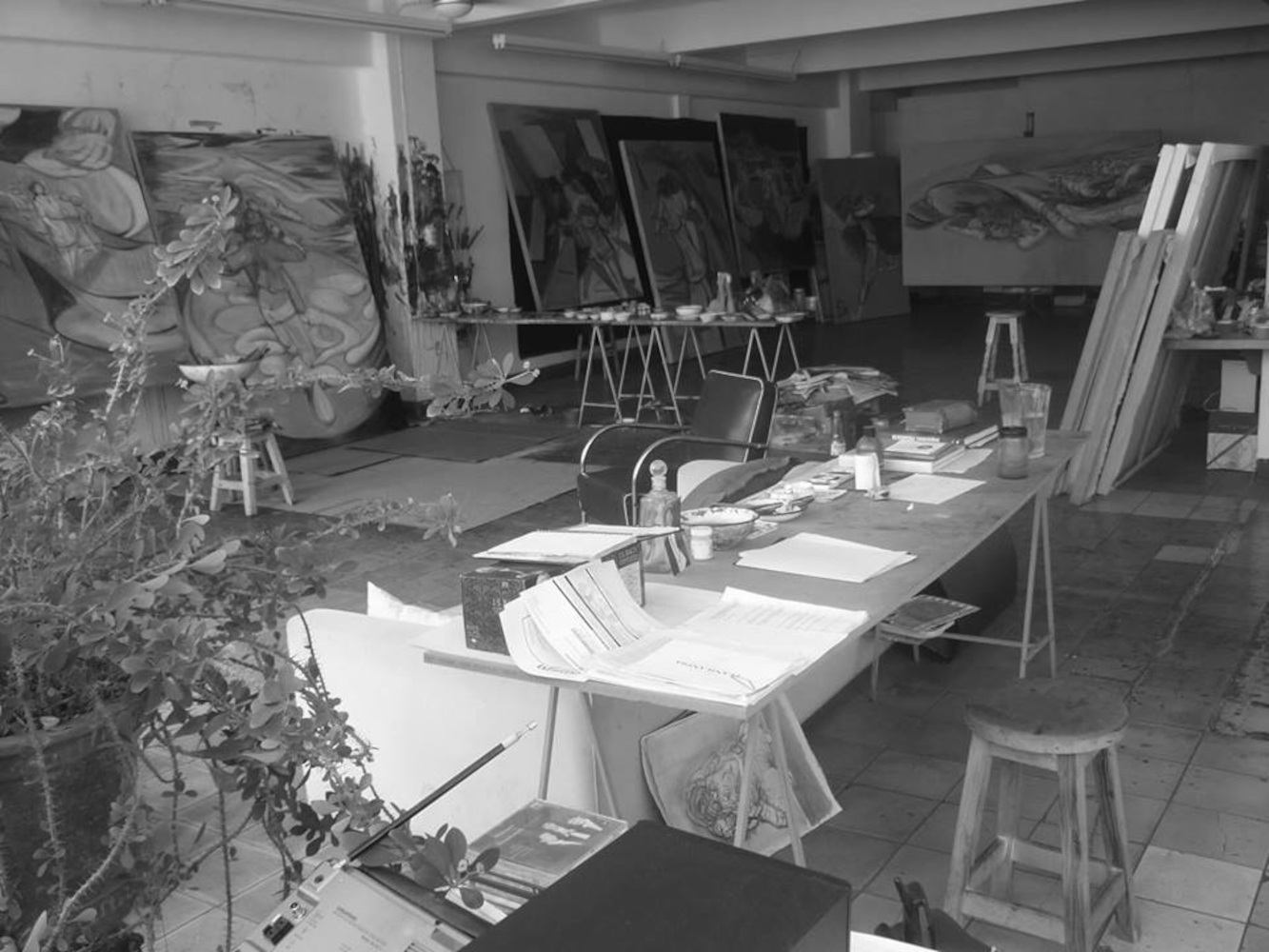
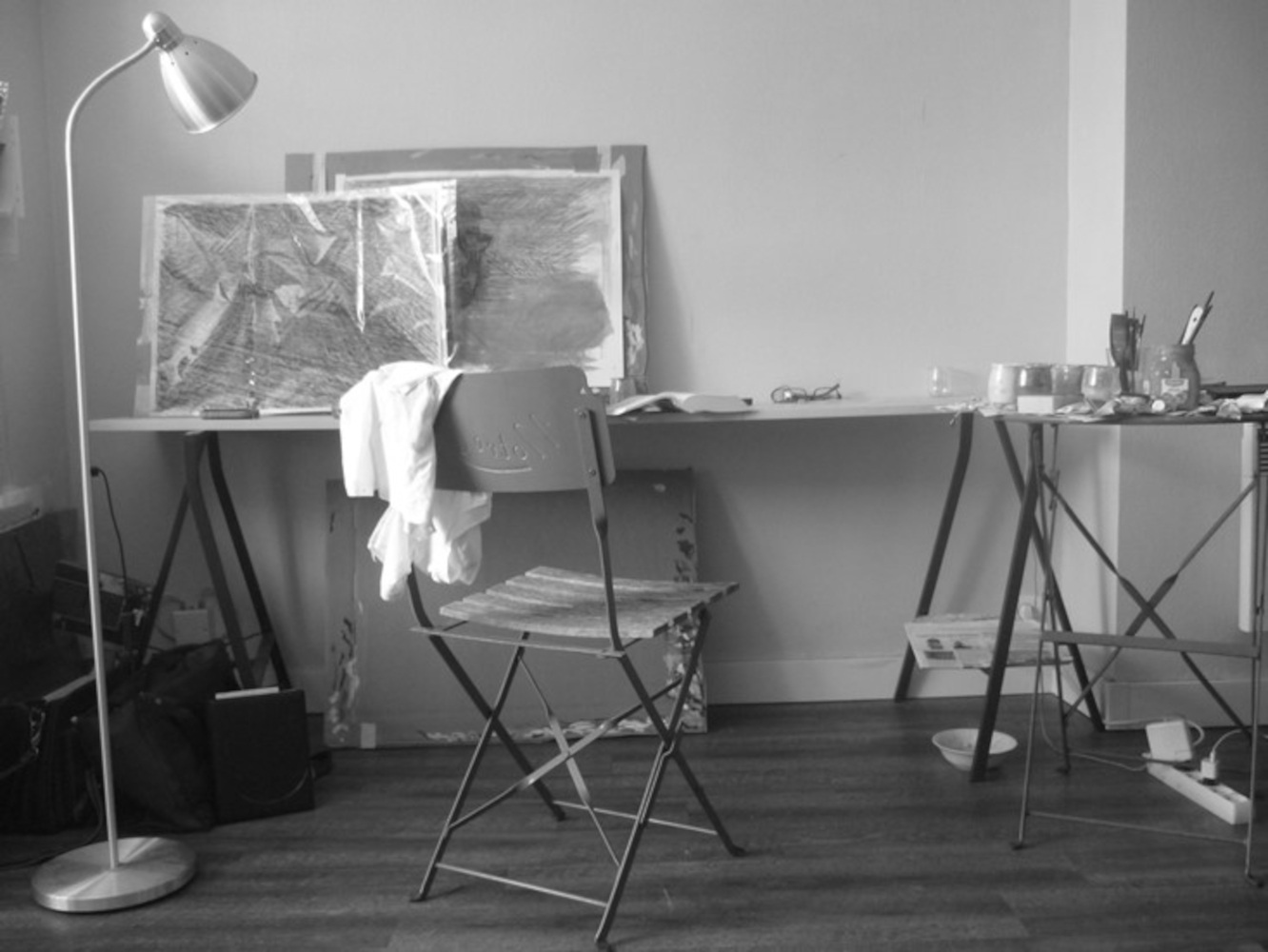
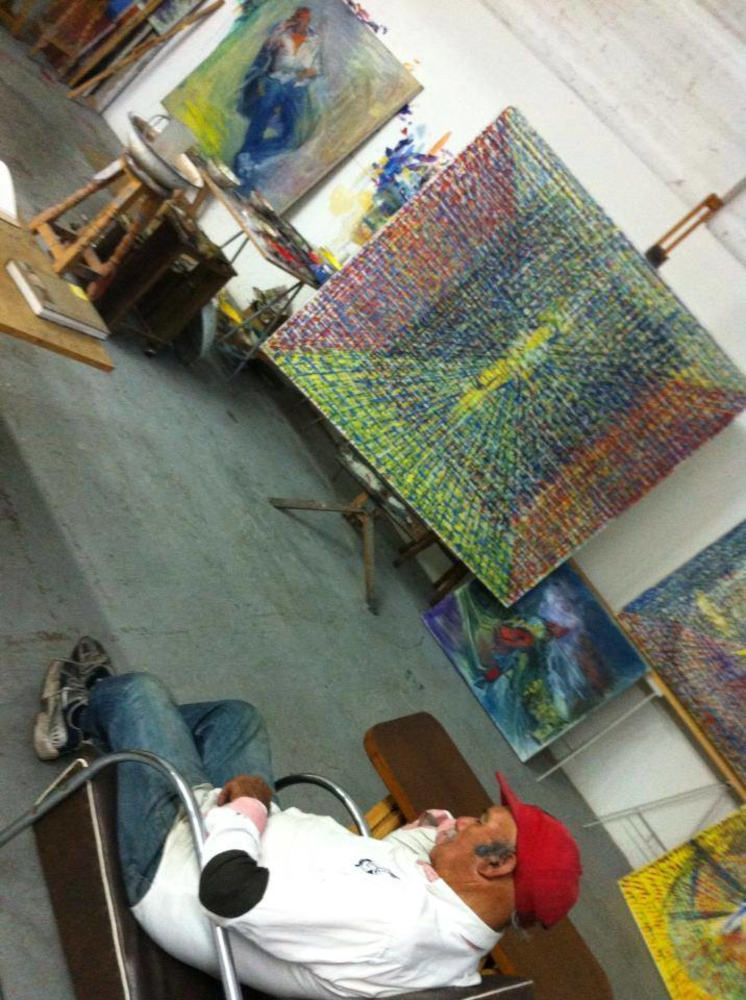
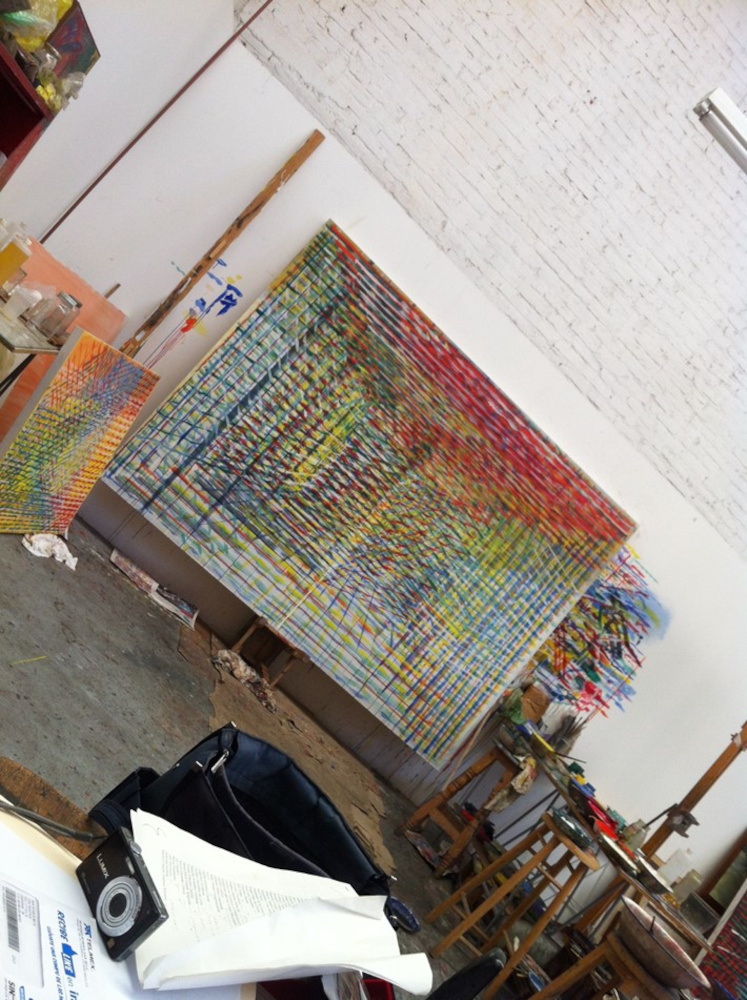
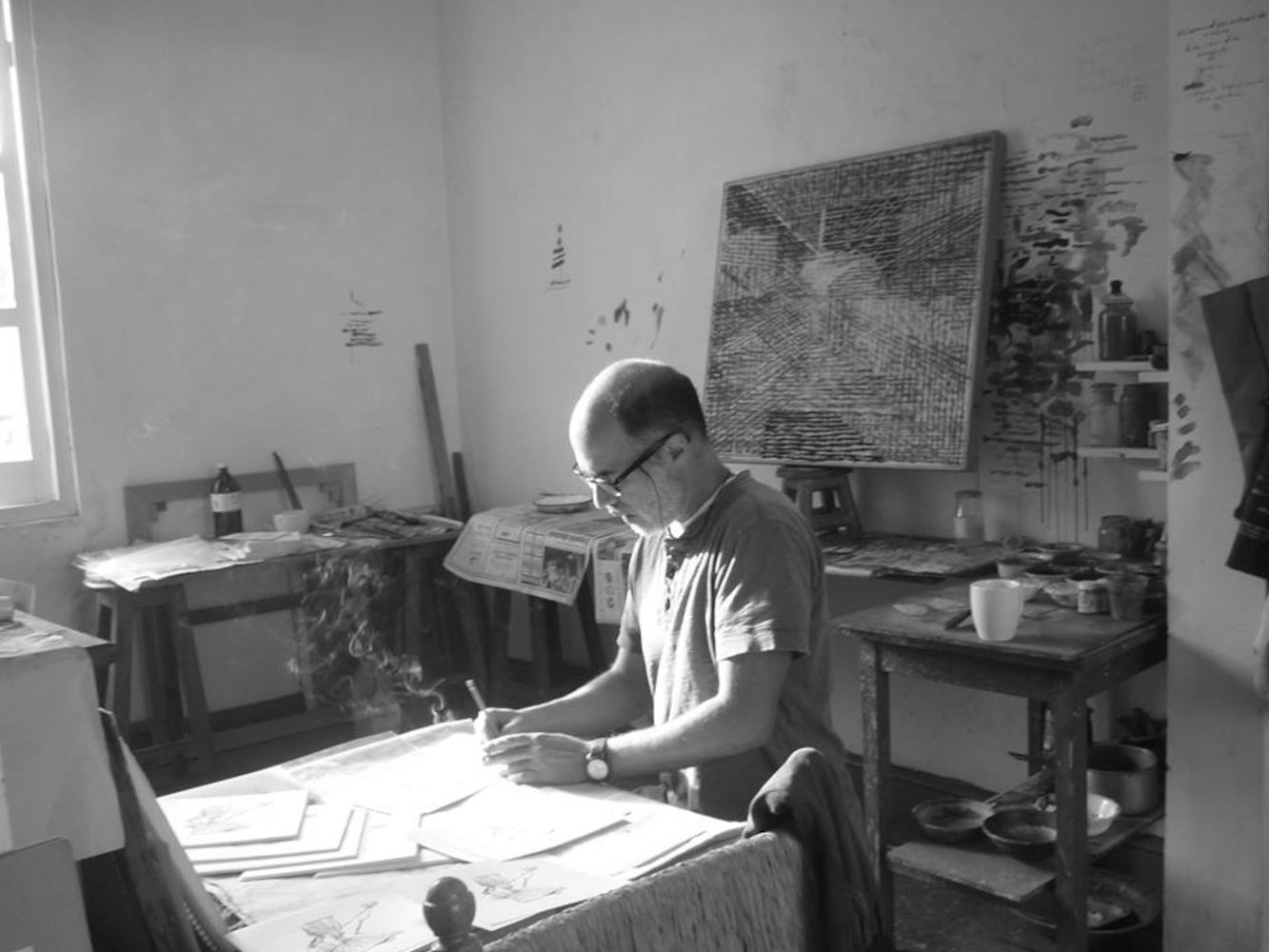
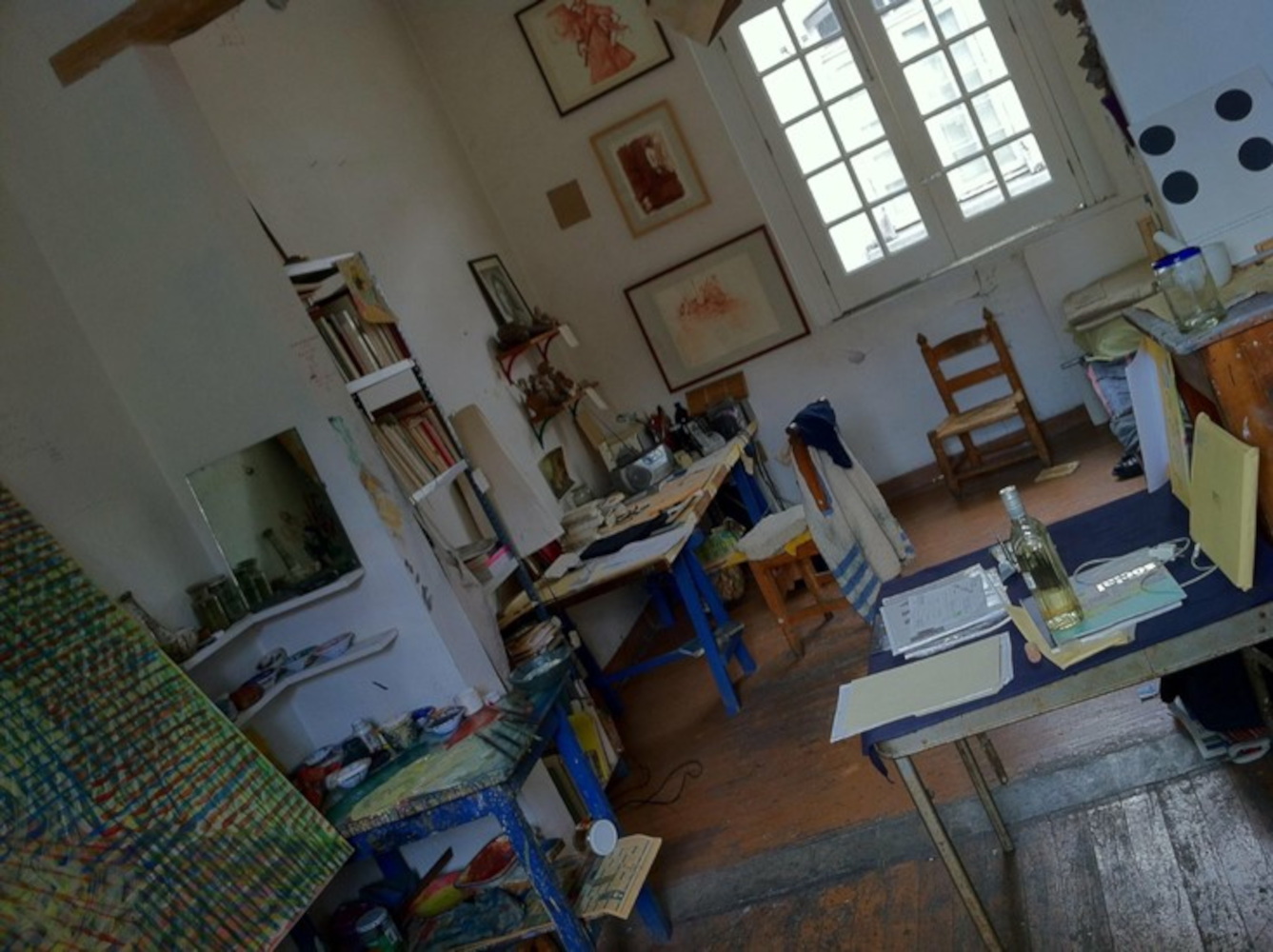
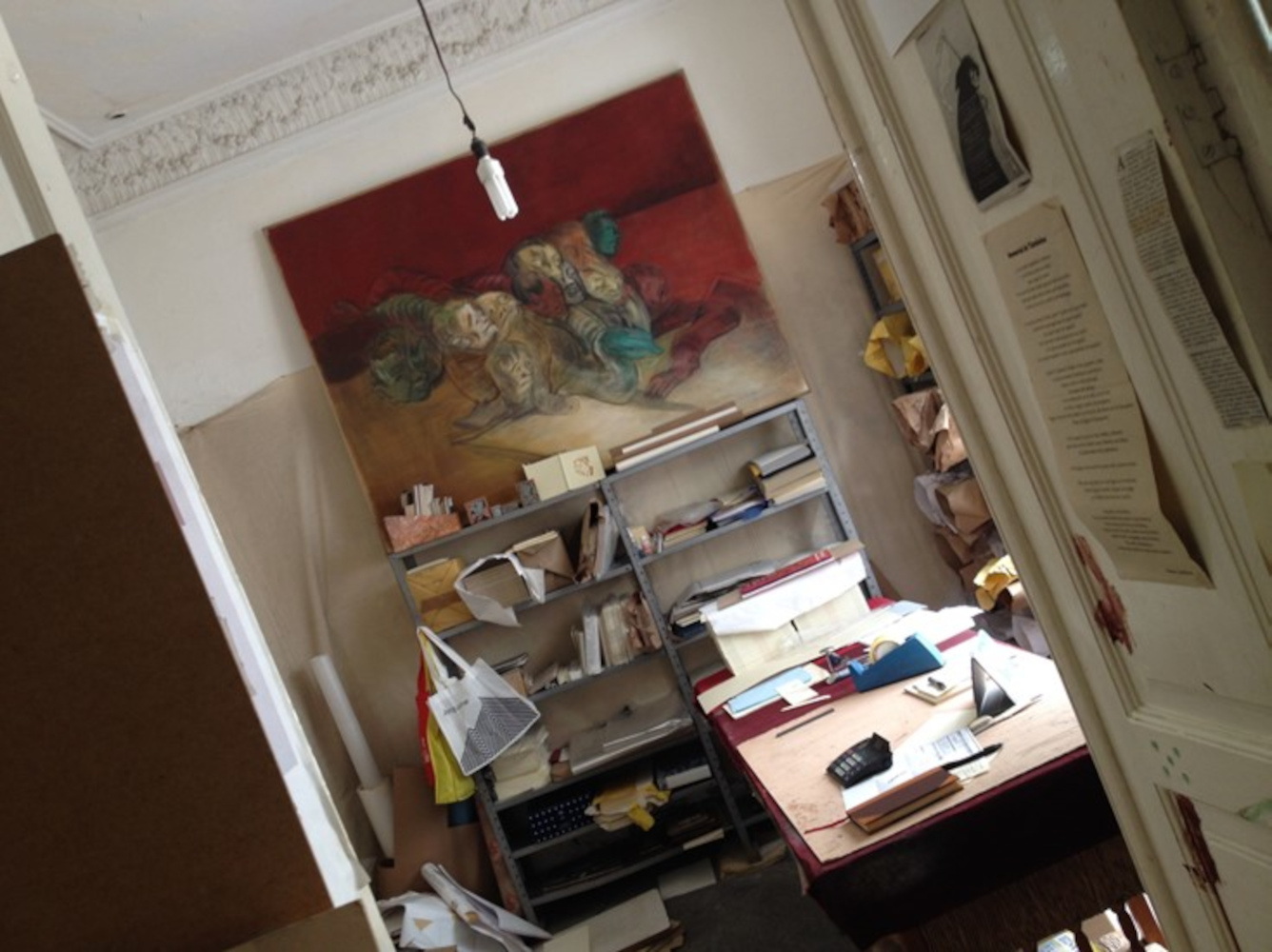
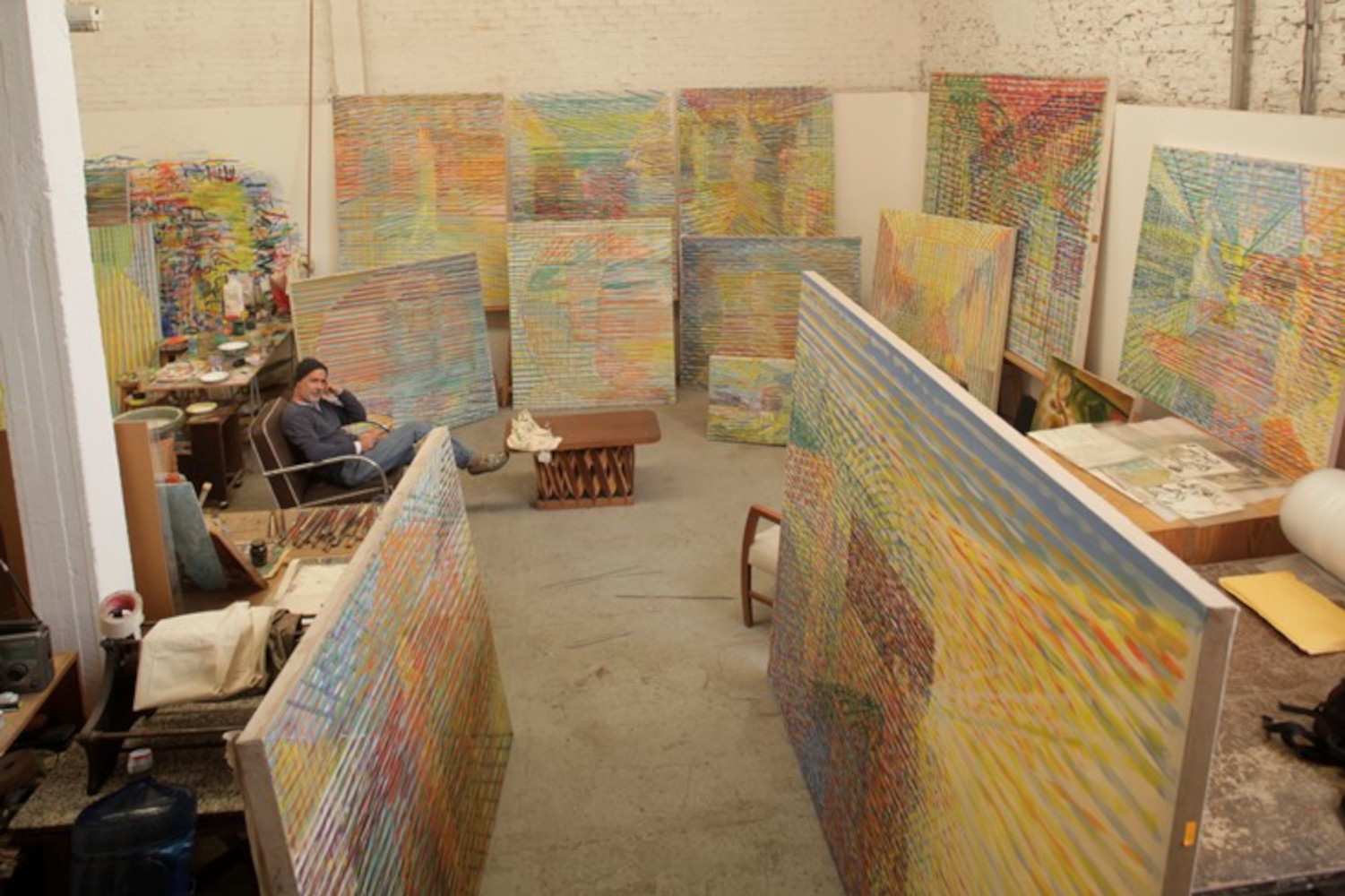
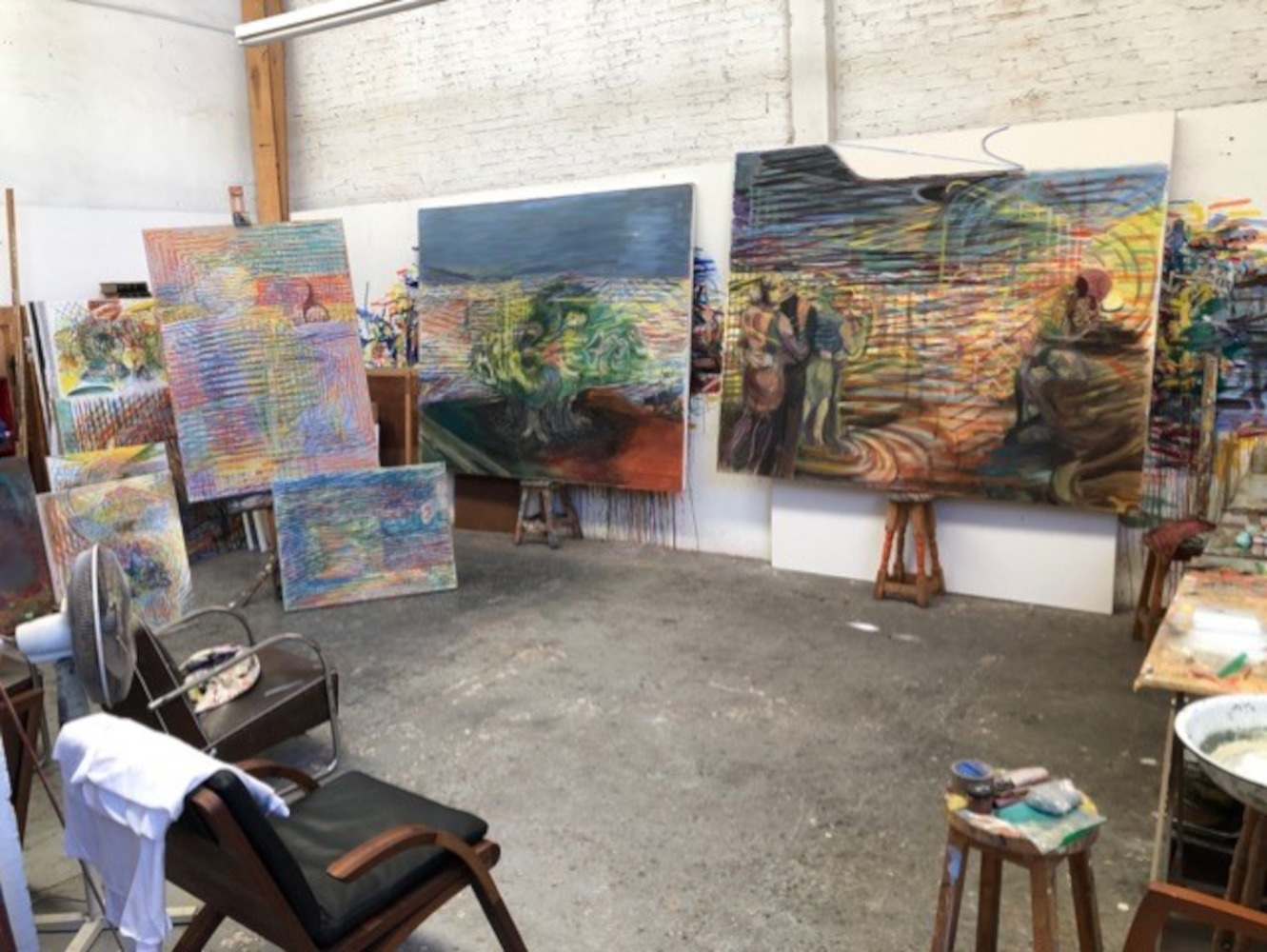
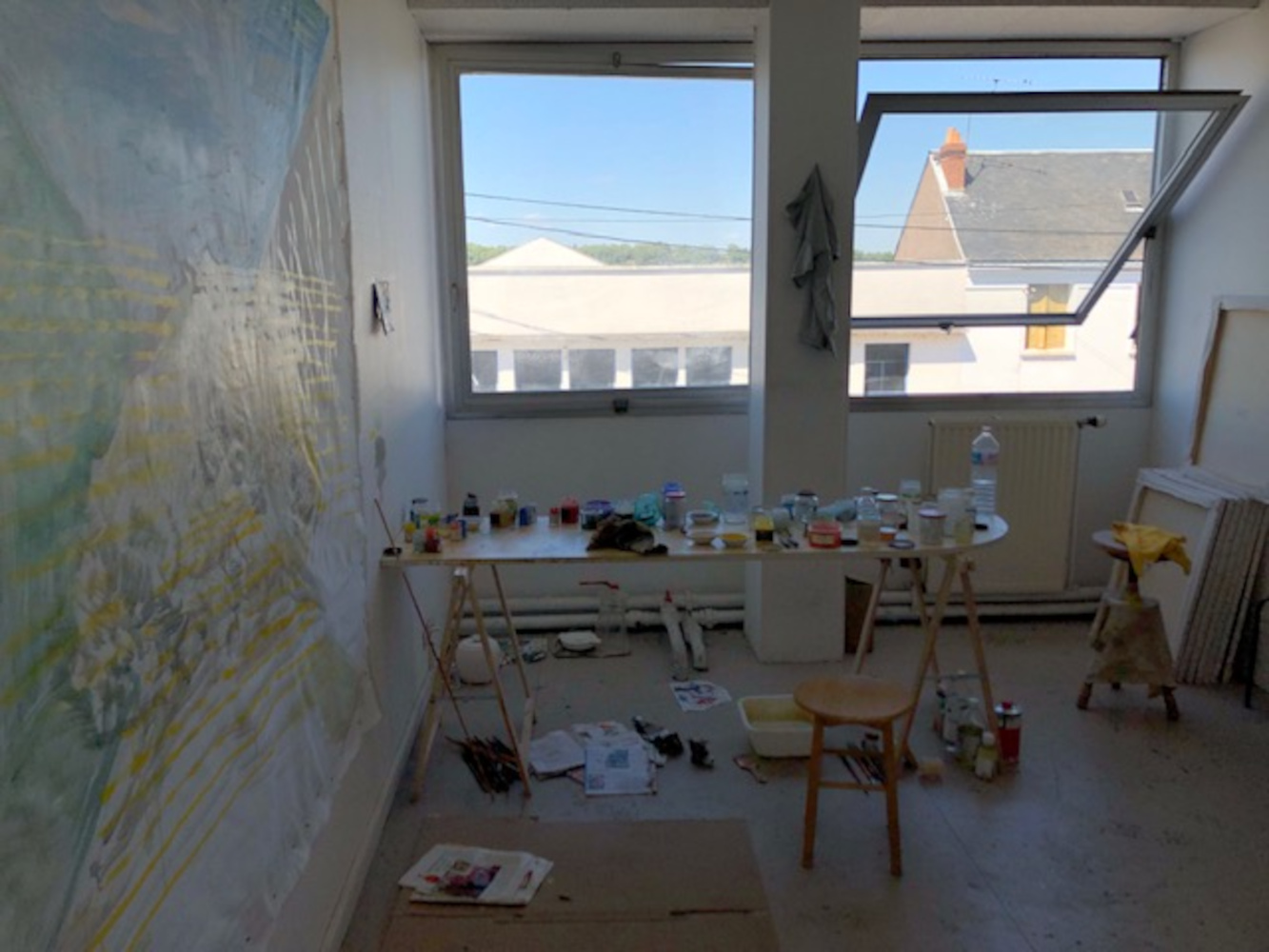
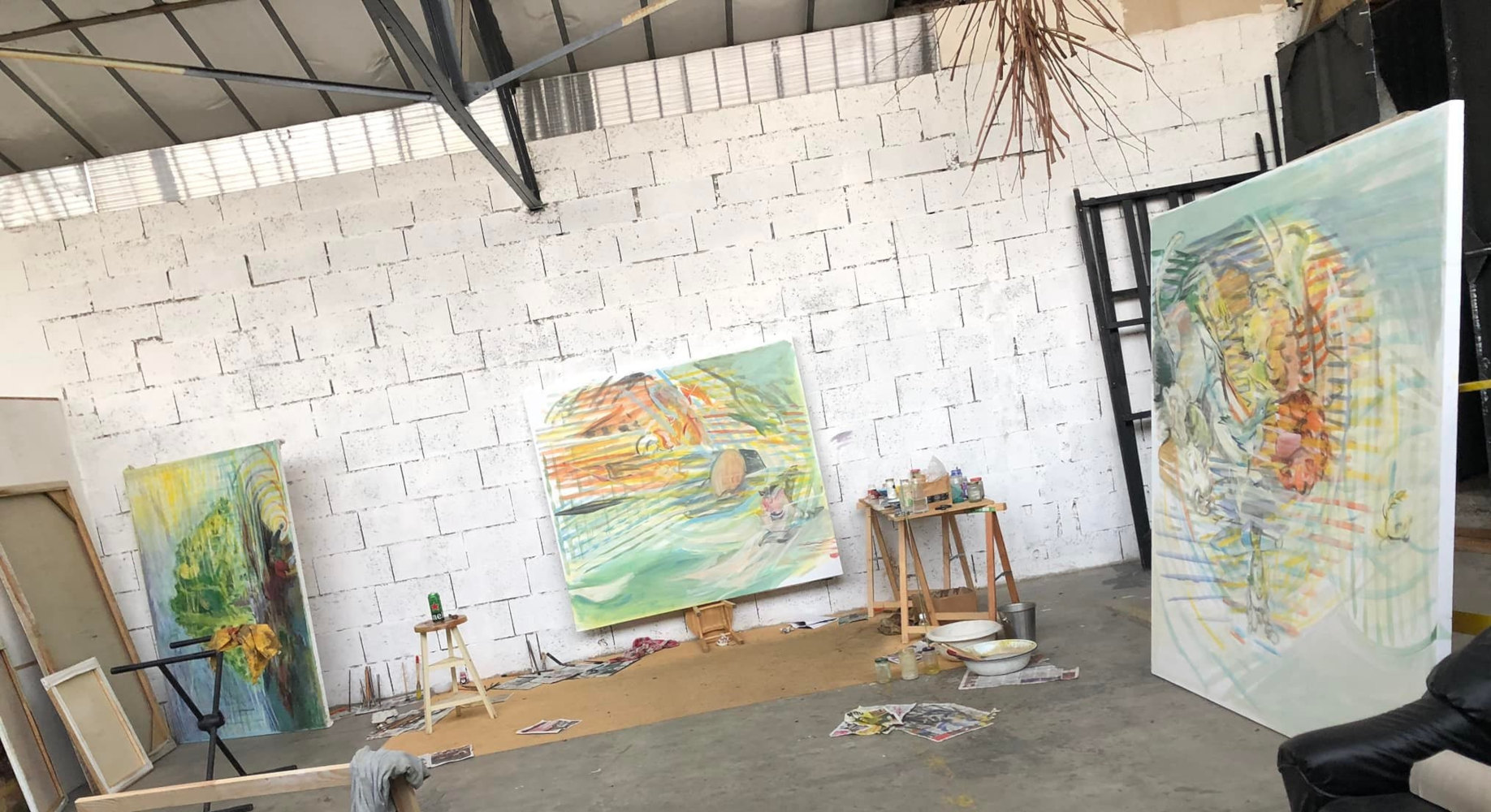
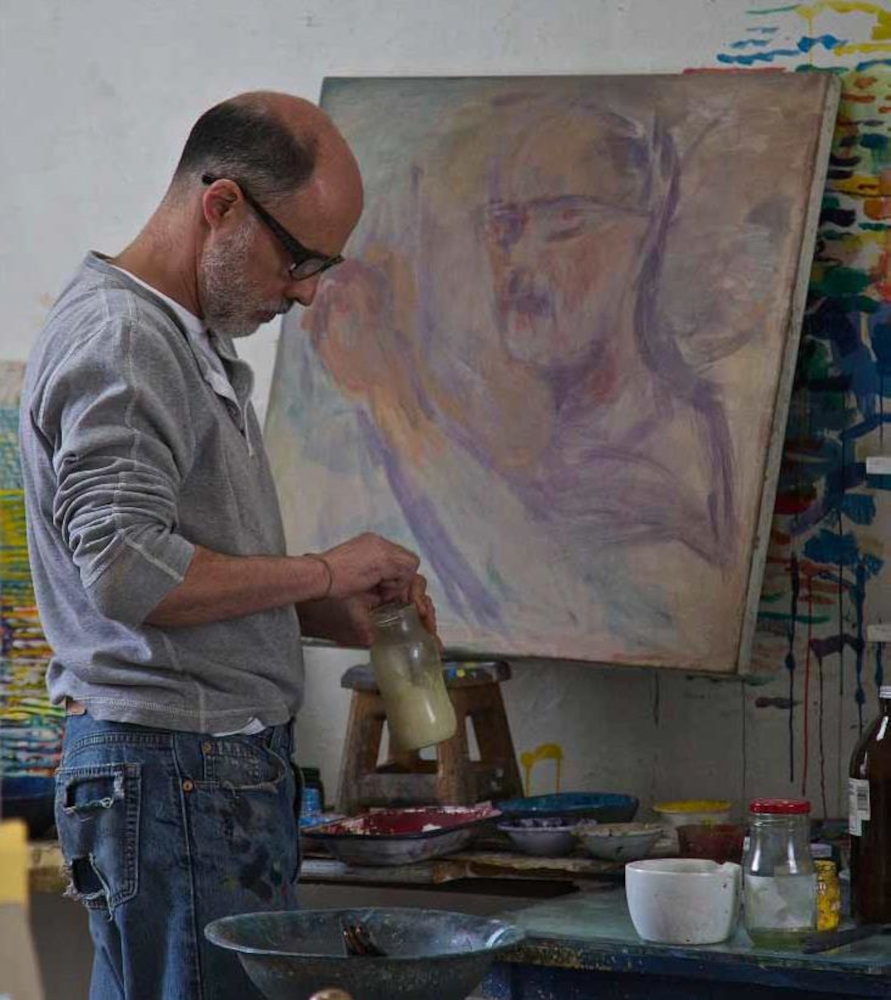
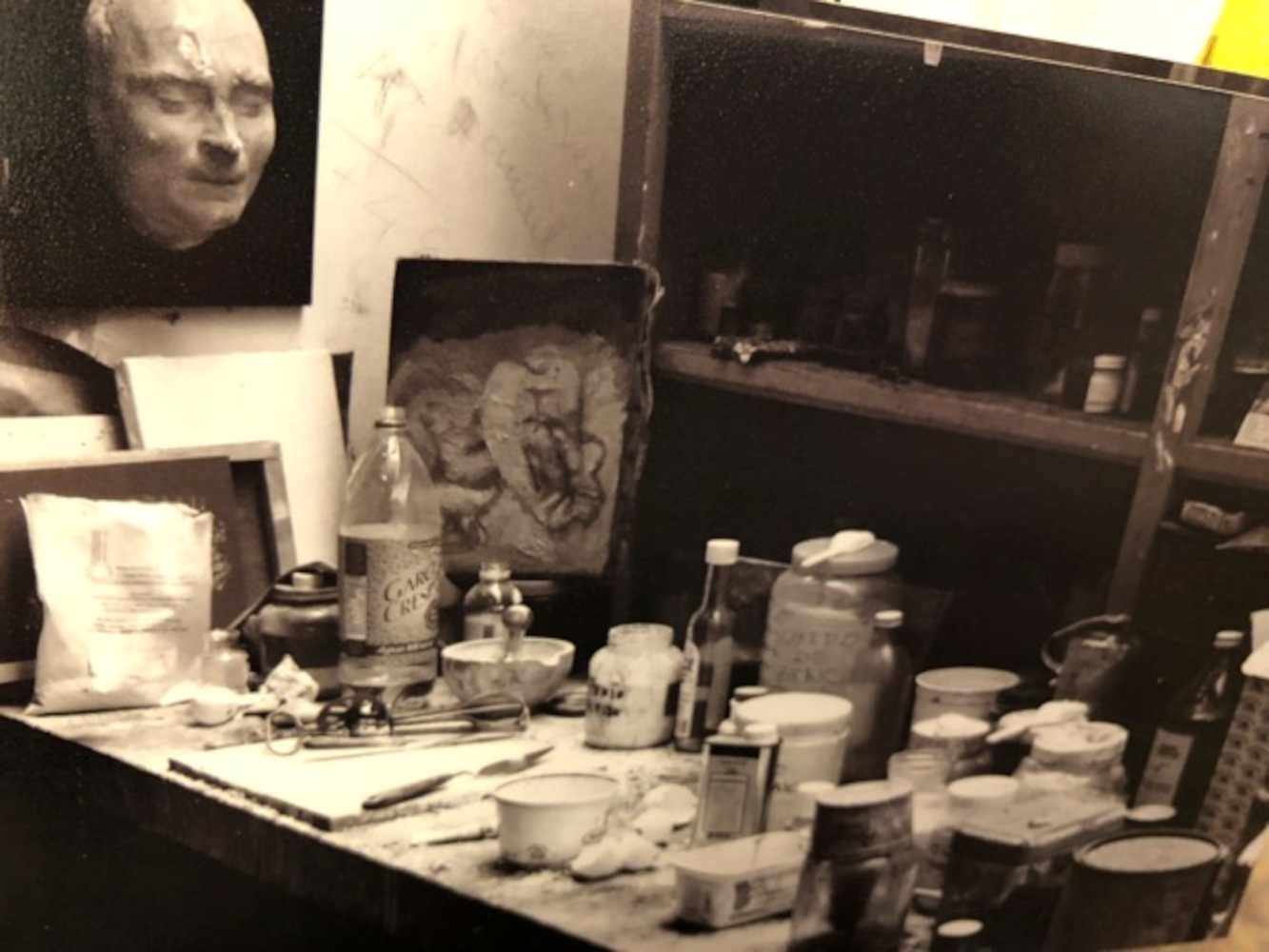
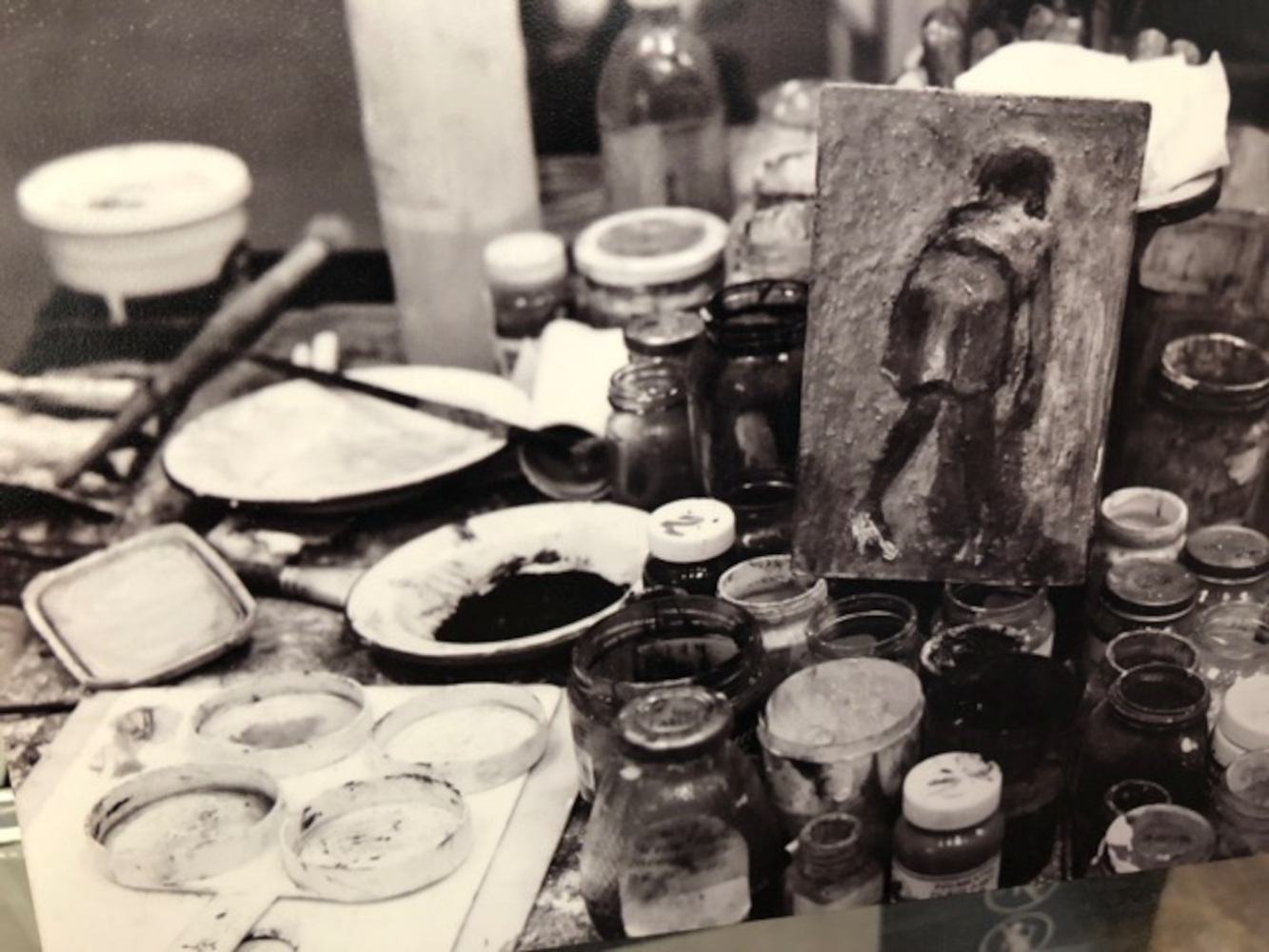
WORKSPACES OVER THE YEARS

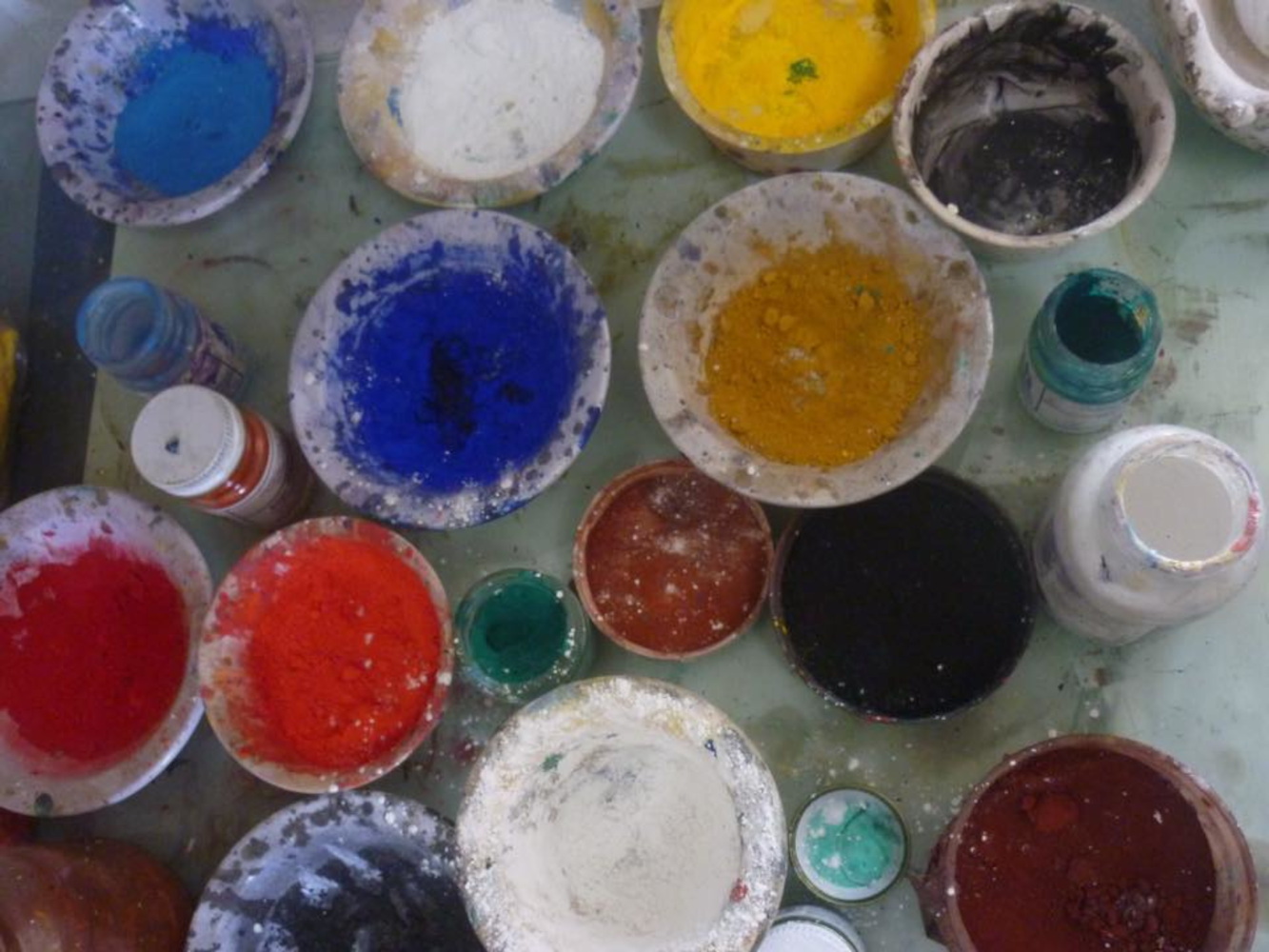
MATERIALS - TECHNIQUES

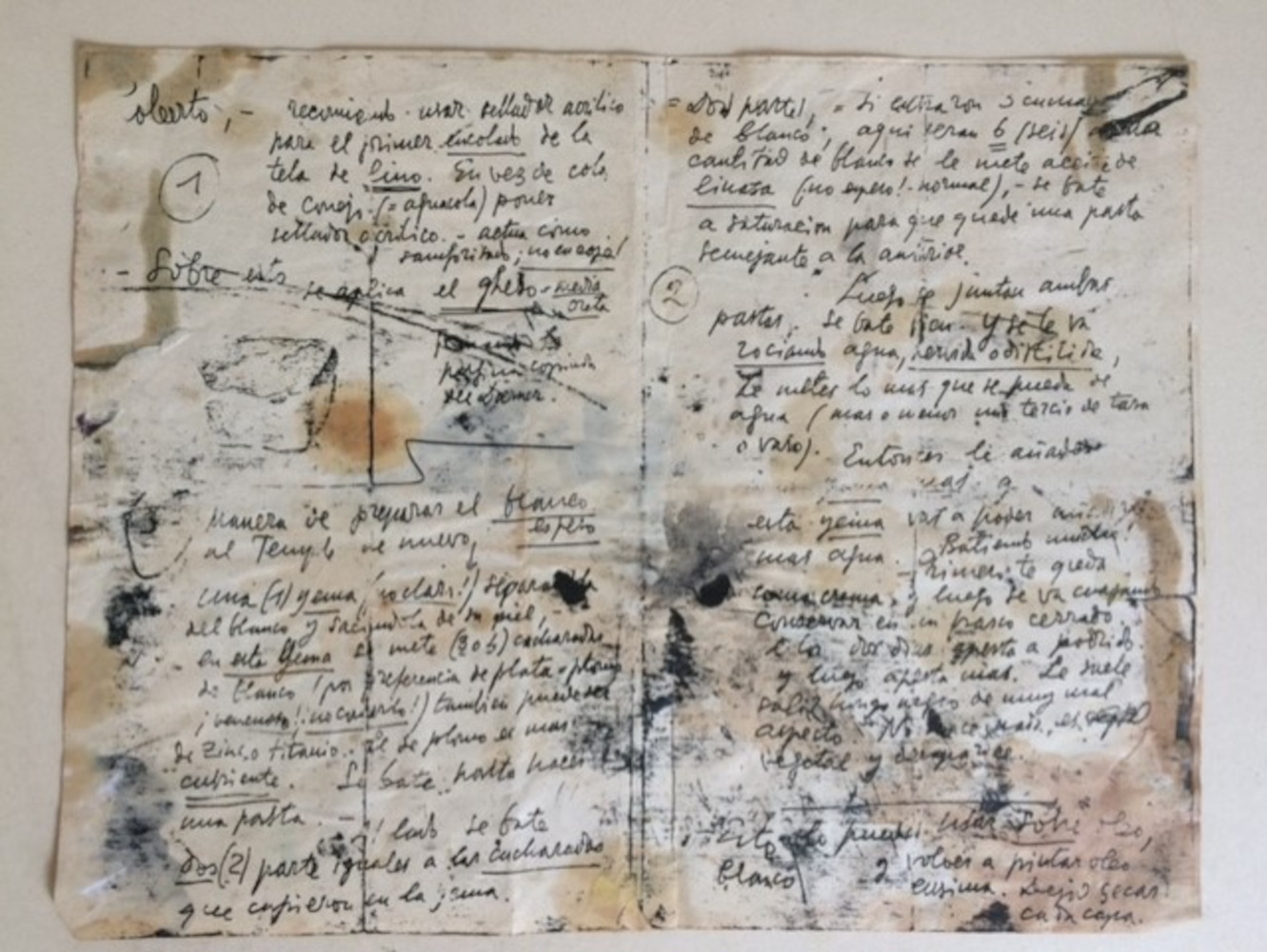
The medium that generates the plasticity in the pictorial image has its origin in the use of mineral and vegetable pigments—colours—mixed with natural binding substances: animal fat, resins and their varnishes, egg, linseed oil. Alchemy. The corpus of painting rests on that knowledge, reason why we are able to preserve and to admire the art through time, through its history.
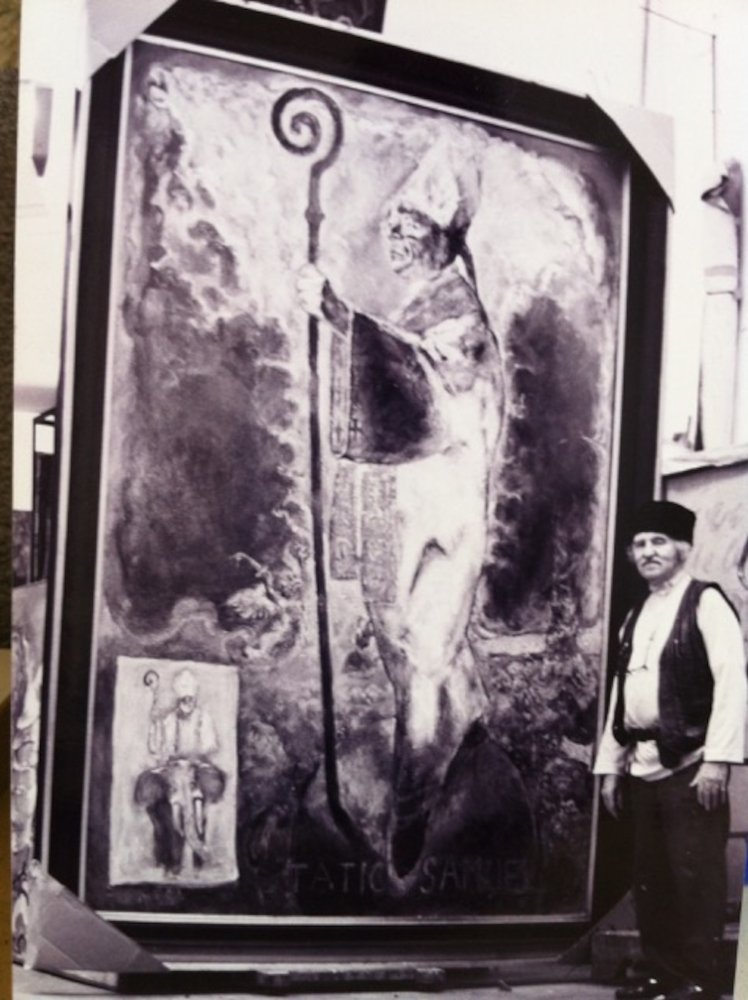
The industrial technological modernity largely displaced the knowledge of traditional techniques towards the outside in its few continuators. Practically all 20th century painting is made with industrial materials—with exceptions such as De Chirico, among the best-known artists. Industrial materials facilitate the technical procedure, making it of an extremely simple practicality. Is not that the way with which I feel affinity.

For me, in respect of my current work, the important thing about the technique is to apply it to describe the electric light of our present.

Making egg tempera; Guadalajara studio, 2020 (Video: Dominique Chapuy)

VLADY: THE MASTER, THE FRIEND

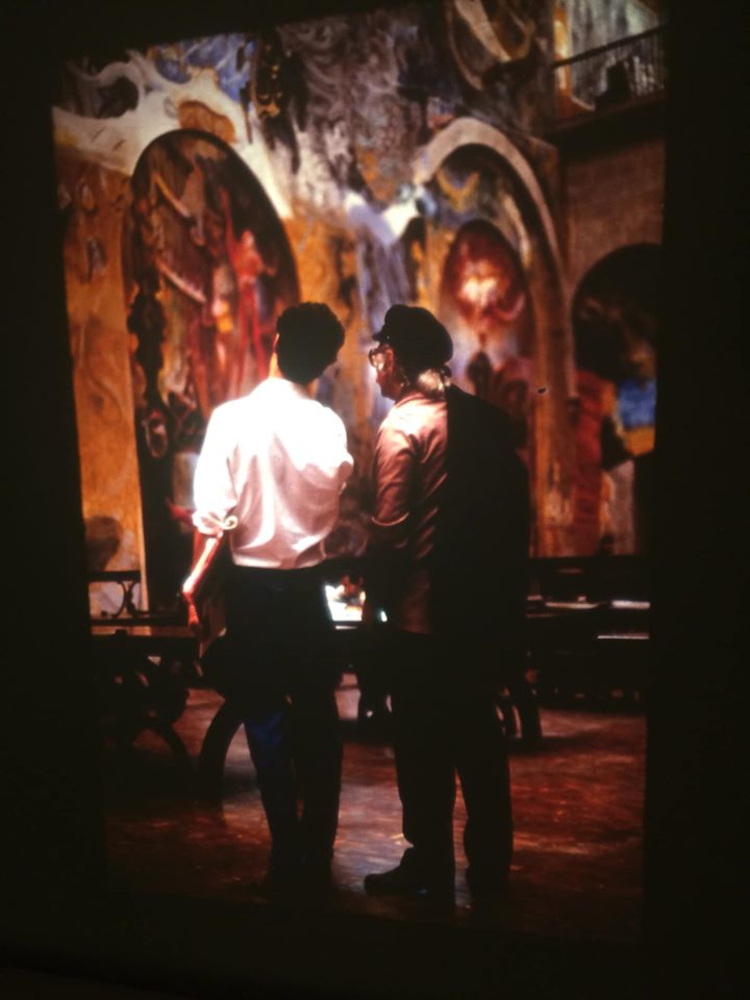
While Rébora living in Florence—where he studied Tuscan mural painting, unhurriedly—, in one of his temporary visits to Mexico attends the exhibition Confrontación (Confrontation) at the Palacio de Bellas Artes, and he meets Vlady Kibalchich Rusakov.

My meeting with the master’s work and his person, around my twenty-six, twenty-seven years, conditioned my aesthetics and my expression. Thanks to him, I understood that the importance of technique lies in adapting it to the contemporary spirit taking benefit of its plastic value.

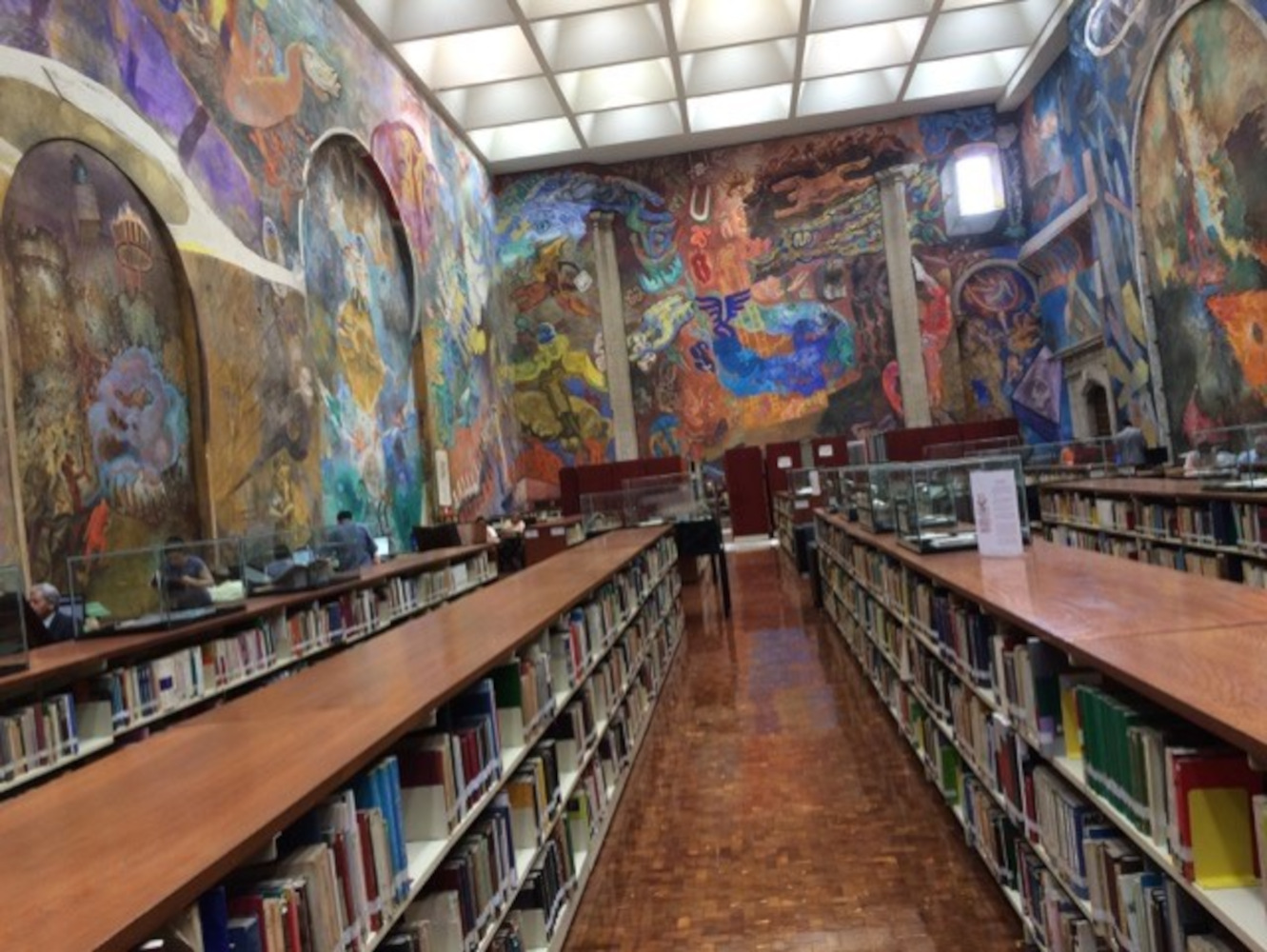
At one point in his career, initially being a modern-industrial painter but, due to his cultural training, always an admirer of classical painting, fundamentally of the European figurative tradition—Raffaello, Tiziano, Tintoretto, all of the canon—, Vlady backs down, aware of his own technical insufficiency, and he undertakes the study and the practice of the millenary techniques until mastered the medium and the craft, a command evident in his later work, both easel and monumental painting. Thereby, in the mid-20th century, Vlady—already immigrated in Mexico—opposed the reduction of the craft of highest school born of painting ancient caused by the massive use of industrial products, which not only simplified but also replaced the intimate knowledge of materials and the procedures that have given permanence and unique values to pictorial expression over time.

Vlady devoted his efforts to the research and study of the applications of thick linseed oil, as well as of other substances mixed with natural pigments, to achieve the infinite sensible possibilities of the matter and its coherent and methodical use.

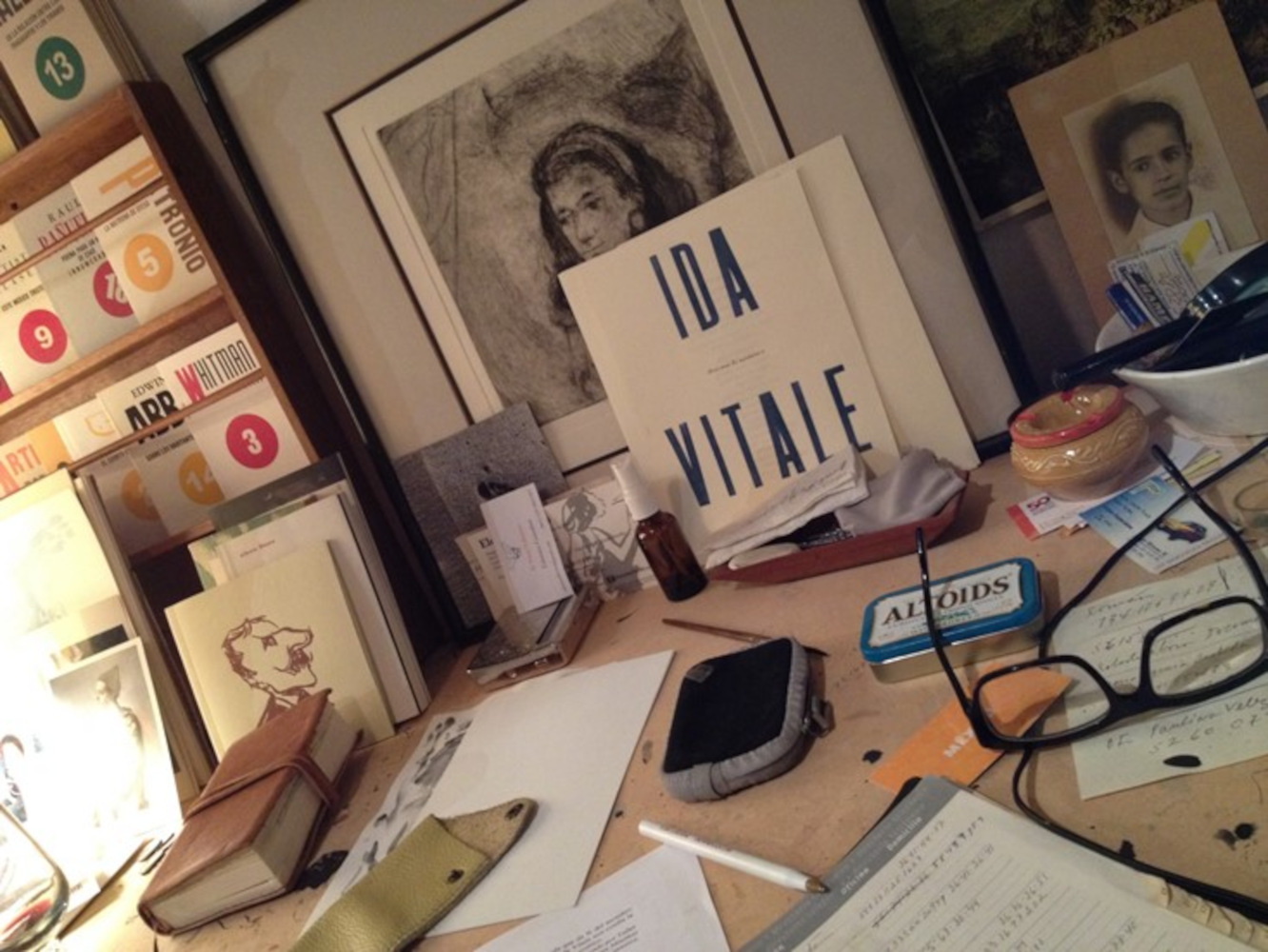
Taller Ditoria

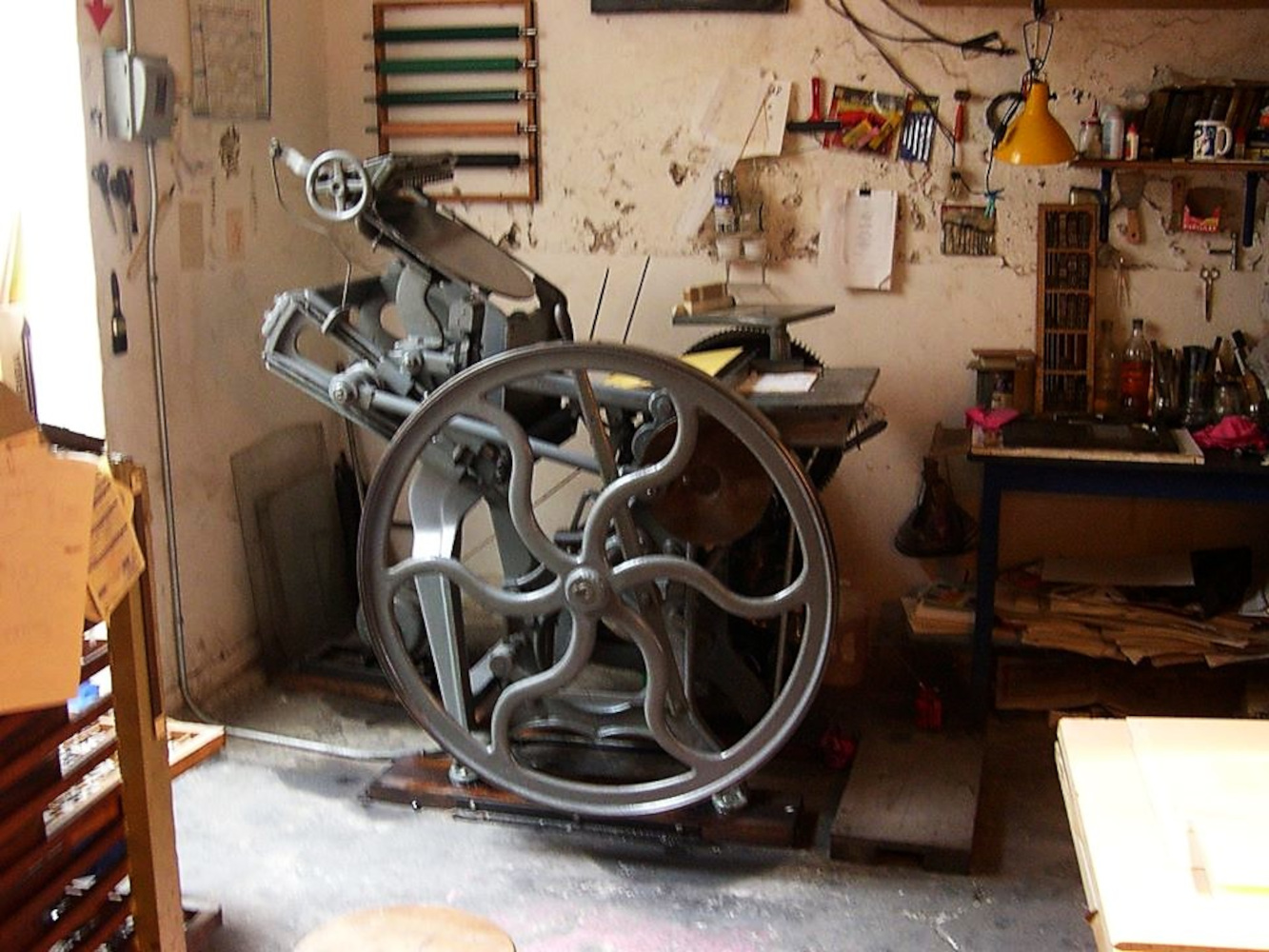
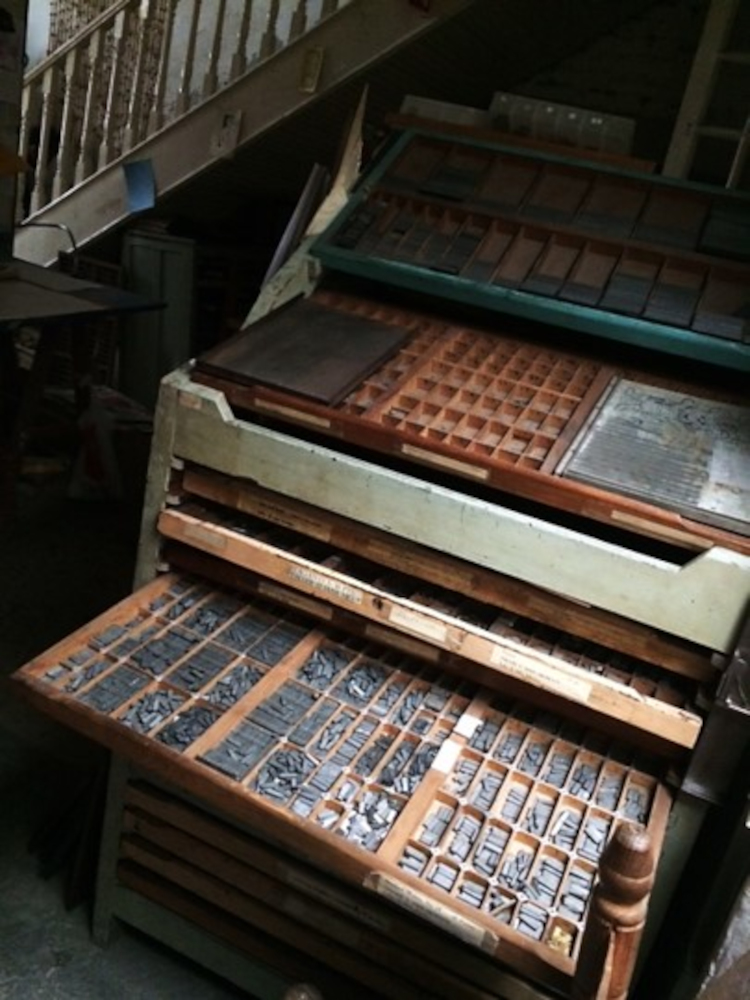
We cultivate the typographic tradition through publishing literary works elaborated as texts shaped in moveable types and printed on a Chandler & Price 1899 flat press, with handmade rustic binding

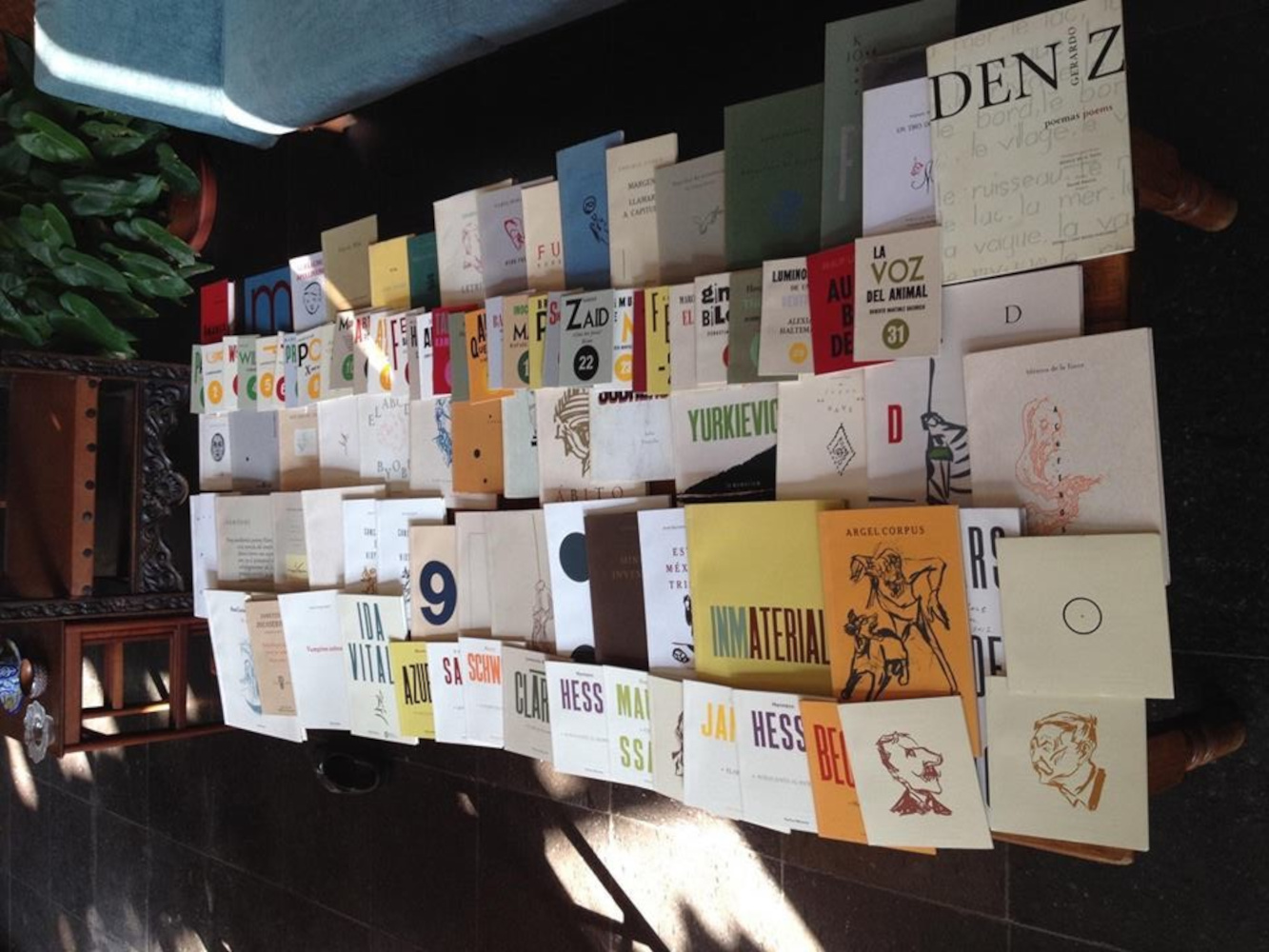
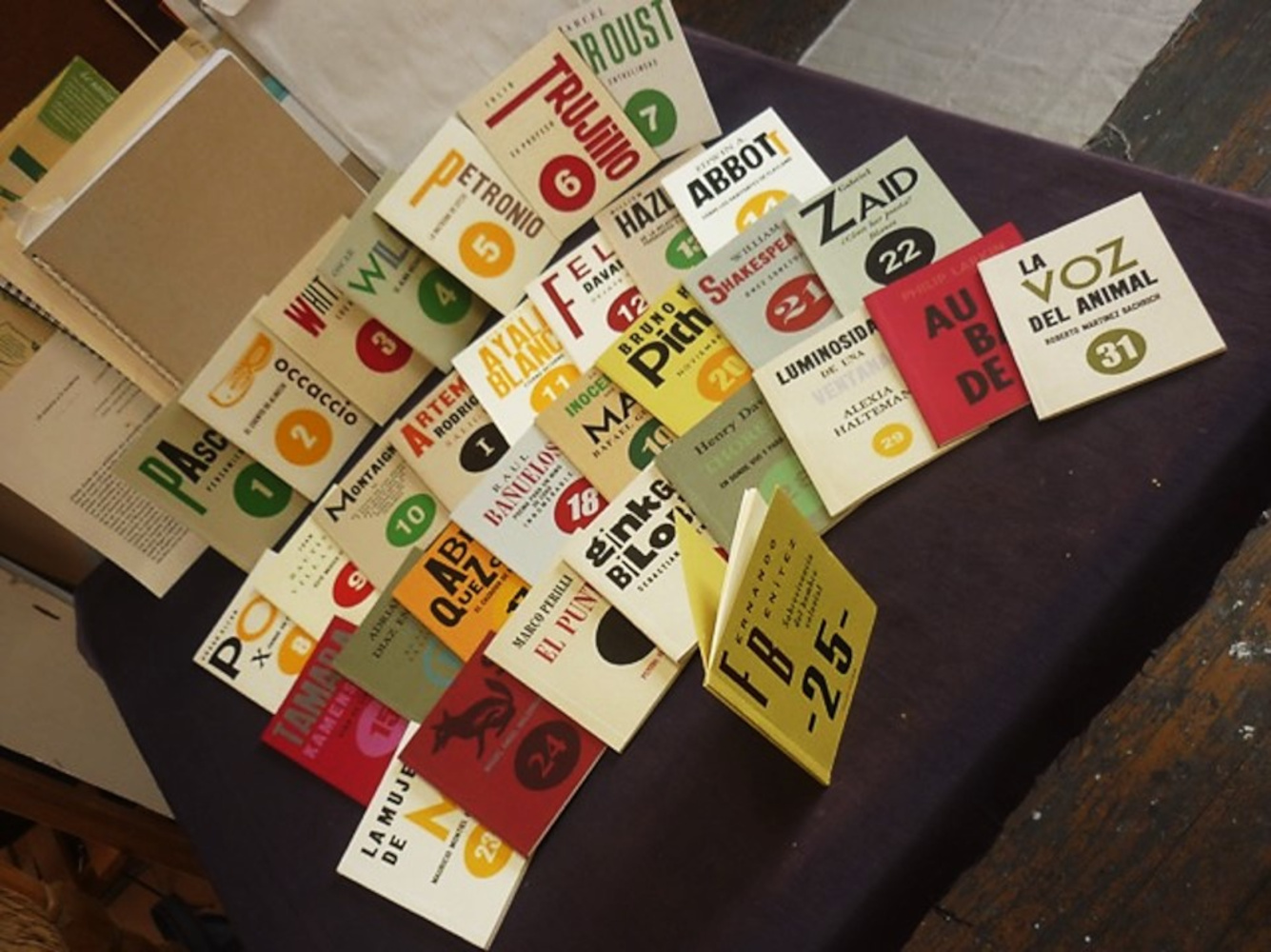
Publications Catalog

Publications Catalog

To learn more: